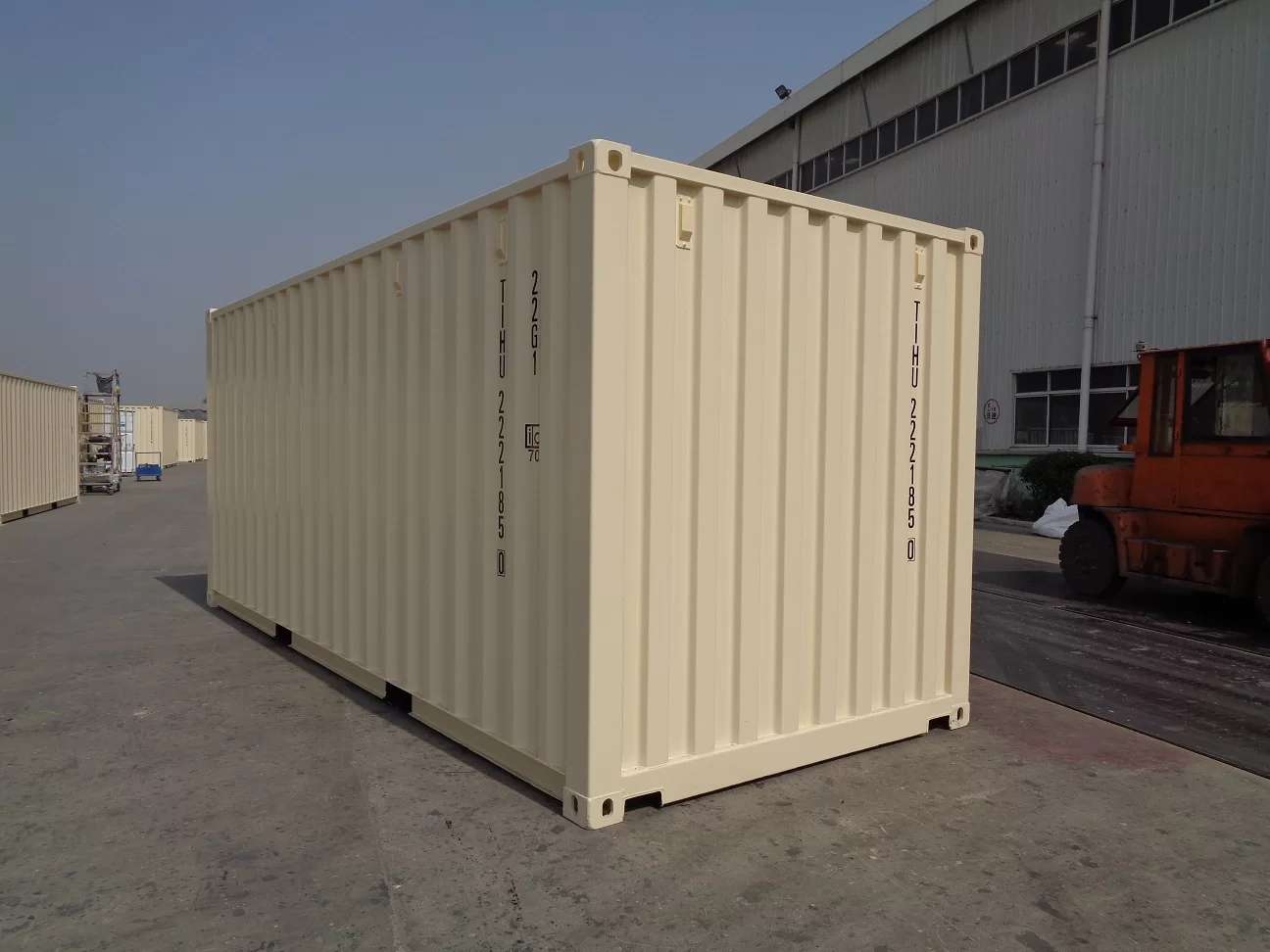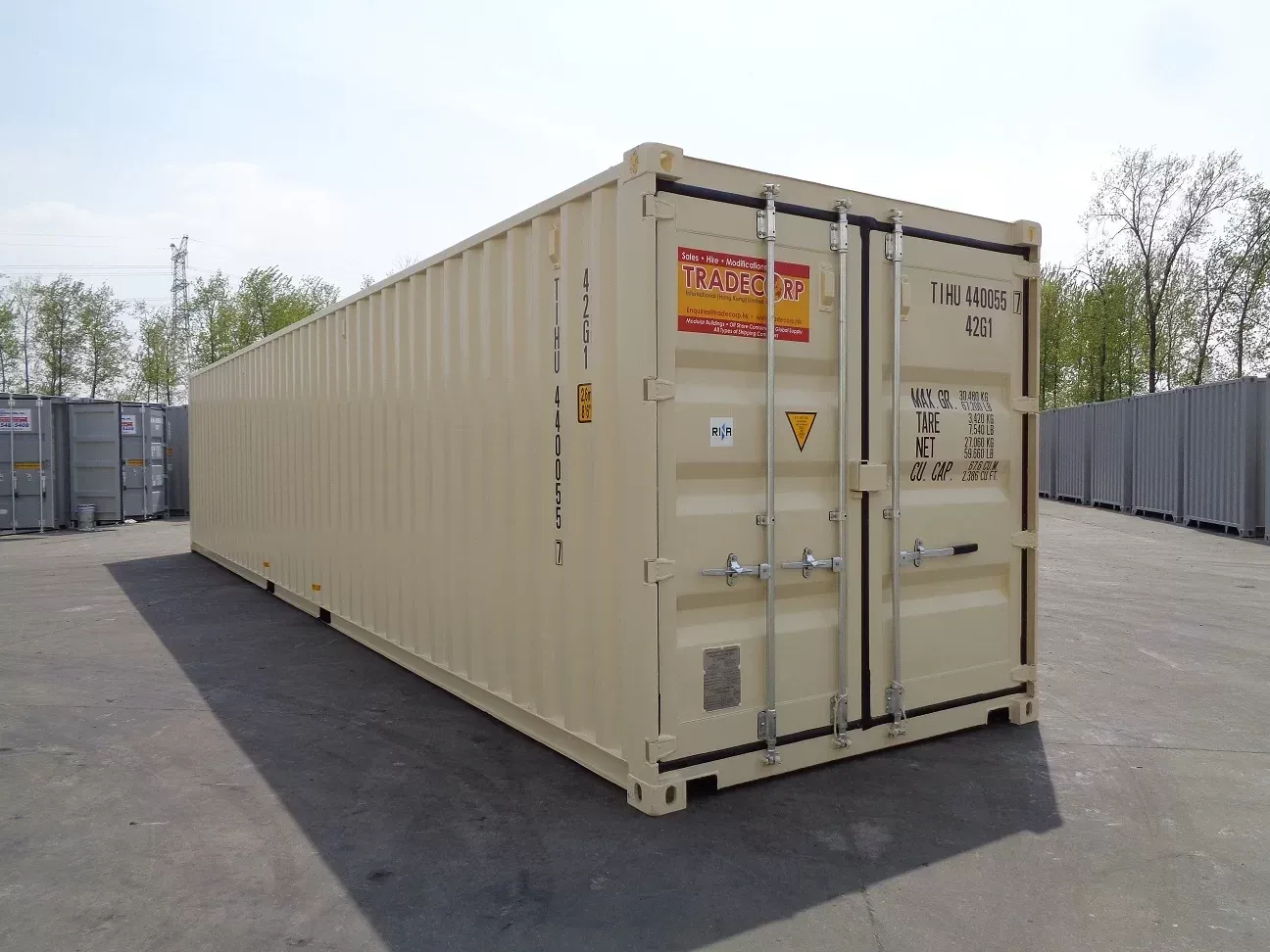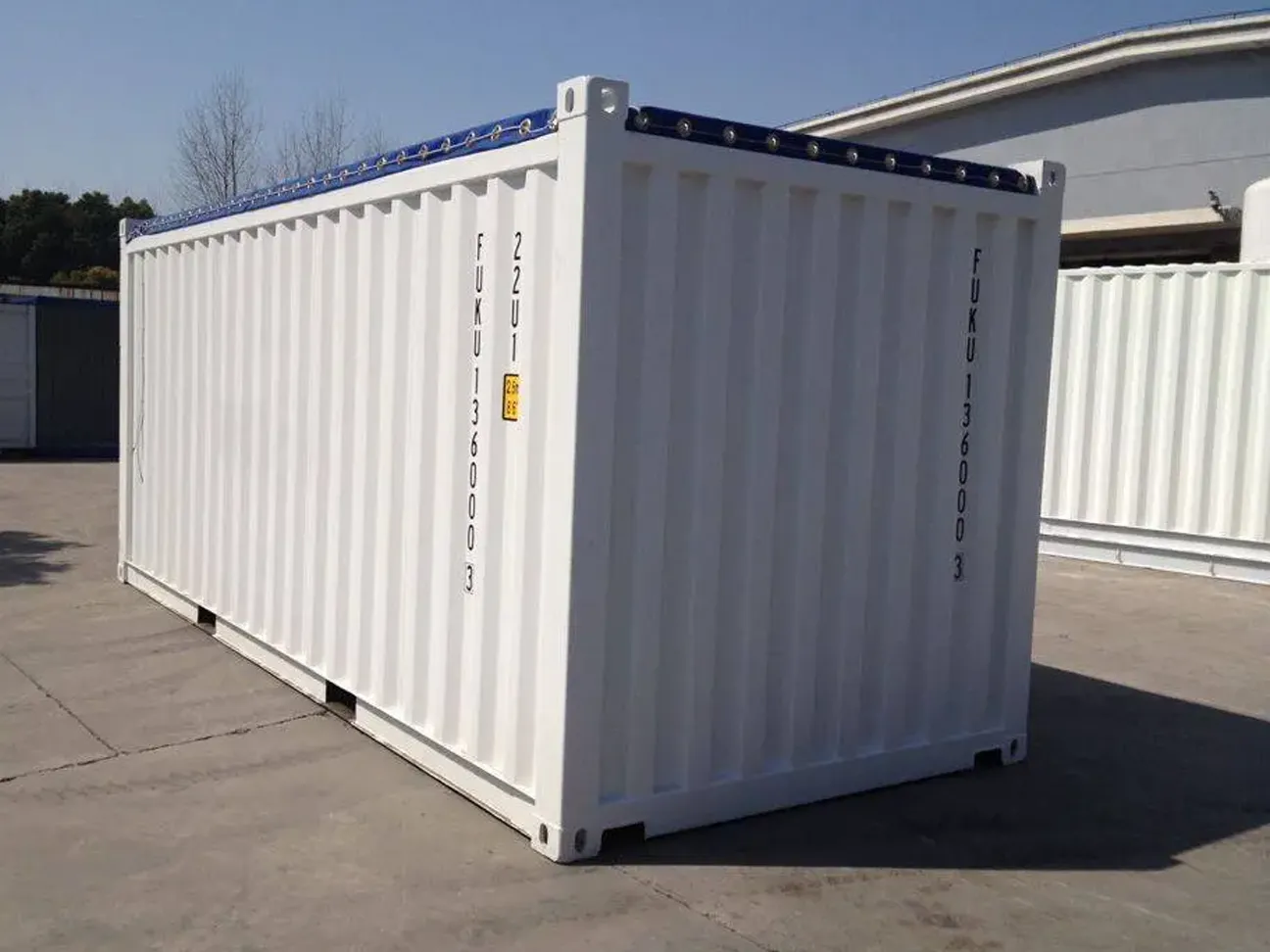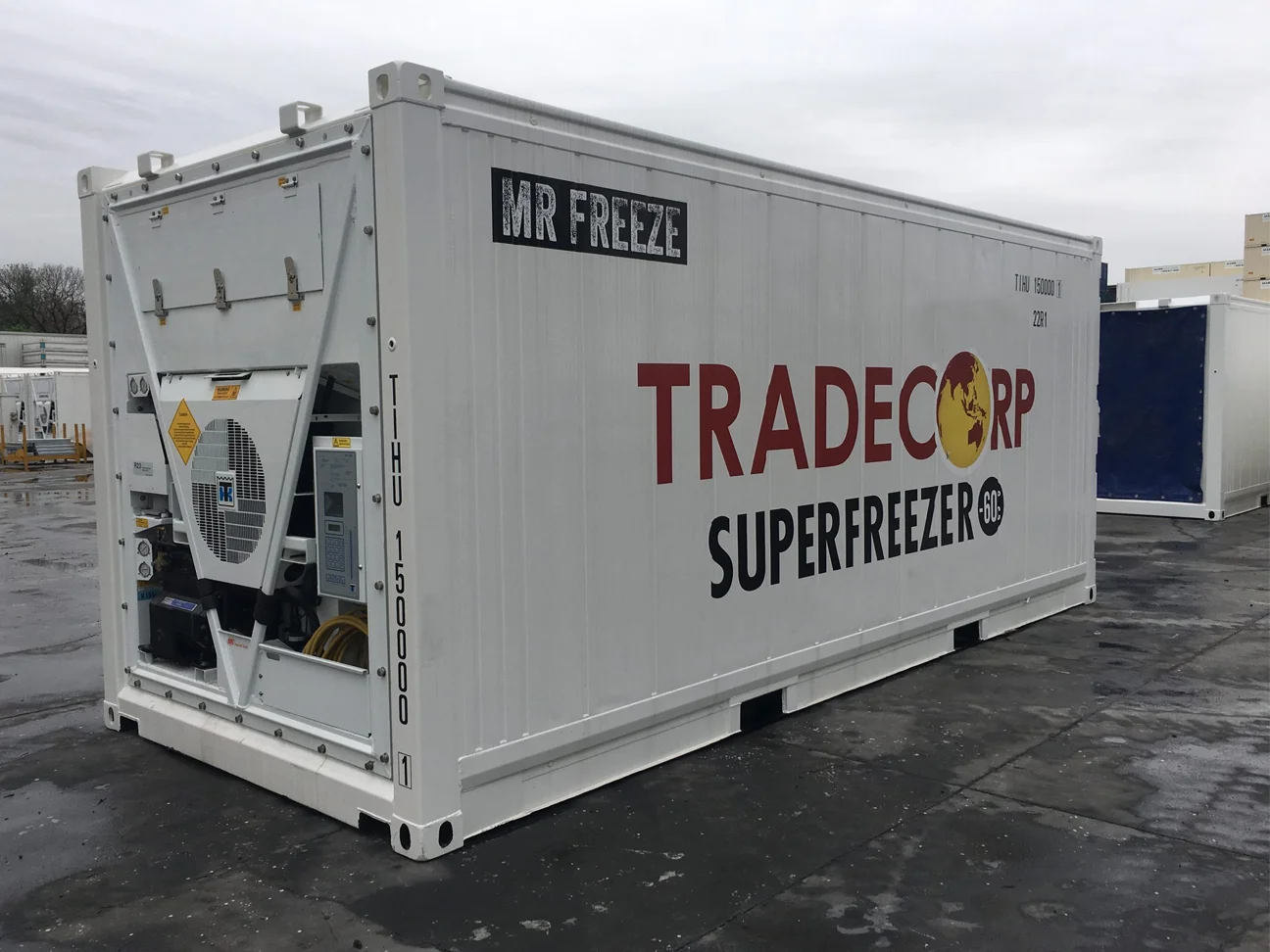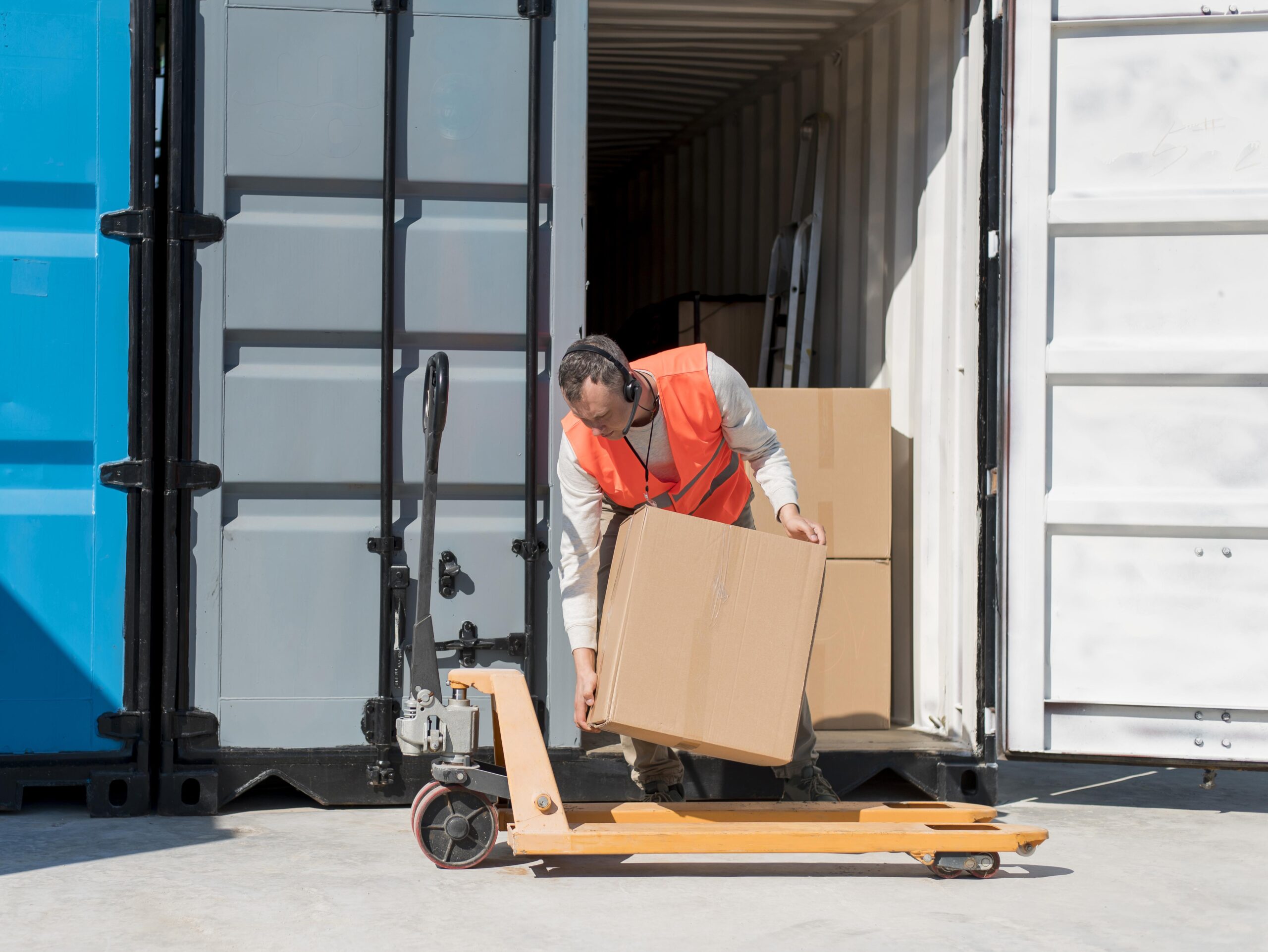
Ever wondered what’s inside those dry cargo containers you see stacked at ports or on ships? These containers move millions of essential products around the world every day. Dry cargo containers are the most widely used type of shipping container in global trade. They are designed to carry a variety of non-liquid, non-temperature-sensitive goods safely across long distances.
From consumer products to industrial materials, these containers handle a wide range of cargo efficiently and are perfect for both domestic and international shipping. They protect cargo from weather, dust, and damage during transport, making them an ideal choice for many local industries.
10 Common Types of Goods Often Shipped or Stored in Dry Cargo Containers
1. General Cargo
Includes everyday packed goods such as boxes, cartons, and palletized items ready for transport or storage.
2. Clothing and Textiles
Apparel, fabrics, and fashion products are commonly shipped in dry containers due to their need for dry, secure conditions.
3. Dry Food Products
Items like rice, noodles, flour, sugar, coffee, tea, and biscuits are perfect for dry storage and transport.
4. Paper and Printed Materials
Books, packaging paper, tissues, and printed materials stay protected from moisture inside dry containers.
5. Furniture and Home Goods
Tables, chairs, mattresses, and décor items are often moved between islands or imported in dry containers.
6. Machinery and Industrial Equipment
Spare parts, small machines, and factory tools are efficiently stored and shipped this way.
7. Consumer Goods
Everyday essentials such as bar soap, detergent, cleaning supplies, and other household products.
8. Construction Materials
Items like paint cans, tiles, PVC pipes, and building tools are safely transported in dry units.
9. Toys and Children’s Products
Plastic toys, bicycles, and baby products are shipped securely and efficiently in dry containers.
10. Electronics and Office Equipment
TVs, computers, and other electrical components remain protected and stable throughout transportation.
Why Dry Cargo Containers Are Essential
Dry cargo containers are highly versatile, cost-effective, and easy to handle, which is why they remain the backbone of global shipping logistics. Their standardized design allows for smooth loading, stacking, and transfer between trucks and ships. Whether you’re exporting goods overseas or distributing products locally, dry cargo containers offer security, reliability, and flexibility for almost any type of general cargo.
Read More: 8 Benefits of Using Dry Containers for Efficient Shipping
How Businesses Benefit from Using Dry Cargo Containers
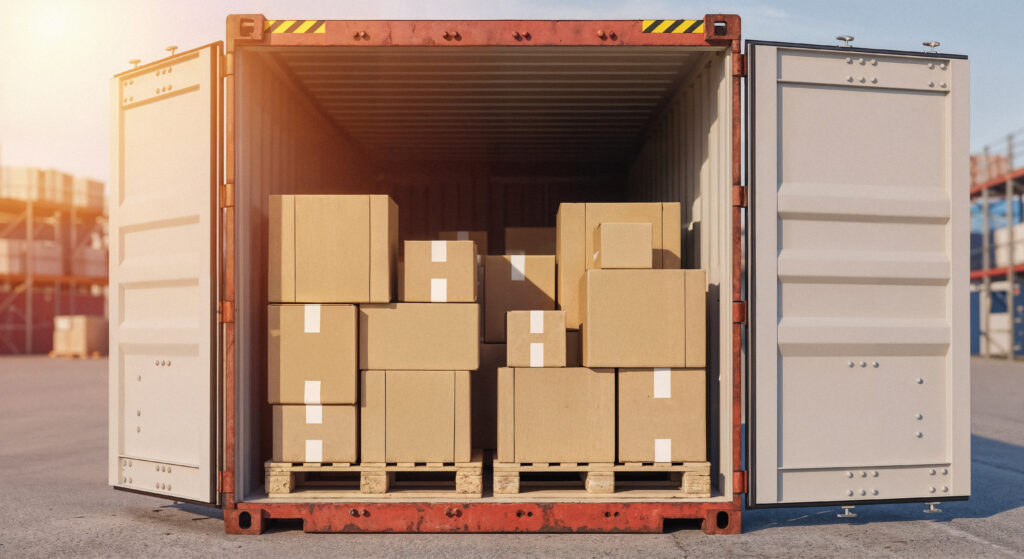
Businesses of all sizes, from importers and exporters to distributors and manufacturers, gain major advantages from using dry cargo containers. Here’s why:
- Flexible Usage: Can be used for both domestic and international transport, as well as onsite storage.
- Easy Handling: Compatible with cranes, forklifts, and container handling equipment worldwide.
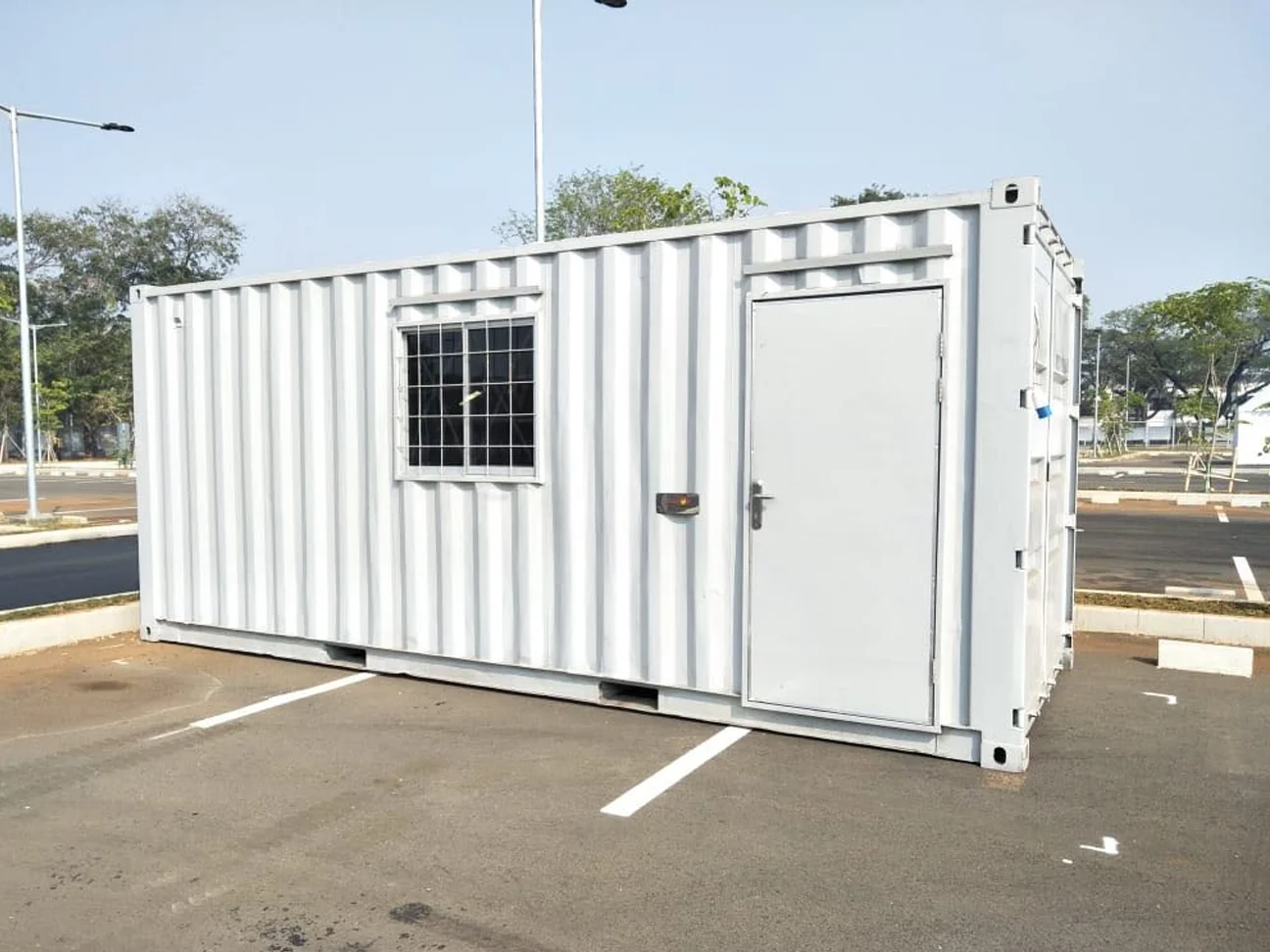
- Multi-Purpose: Many companies repurpose dry containers for storage units, portable offices, or workshops.
Choosing the Right Dry Cargo Container
When selecting a container for your goods, consider:
- Container Size: 20ft dry cargo container for smaller loads, 40ft units for bulky cargo.
- Cargo Weight and Volume: Ensure proper weight distribution to avoid overloading.
- Condition: New or used units, whether you are looking for long-term use or a more affordable choice.
- Certification: Check for CSC certification for international shipping.
Dry cargo containers are an essential part of modern logistics, reliable, versatile, and built to handle nearly every kind of general cargo. Whether it’s everyday goods for consumers or industrial materials for factories, these containers keep global trade moving smoothly and efficiently. At Tradecorp, we provide a wide range of dry cargo containers for sale or lease, available in 20ft or 40ft. Contact our team today to find the best container solution for your project or shipment.