Container loading and unloading are critical processes in international shipping and logistics. Proper handling ensures cargo safety, operational efficiency, and on-time delivery across global supply chains. When done correctly, these processes reduce the risk of cargo damage, delays, and additional costs.
By understanding how these processes work, businesses can make better decisions when choosing container types, organizing cargo, and preparing shipments. The right approach helps protect goods, improve efficiency, and ensure every container is ready for its journey from start to finish.
What Is Container Loading (Stuffing)?
The container loading and unloading process starts with container loading, also called stuffing, where cargo is placed into a shipping container for transport by sea, land, or rail.
Container Inspection Before Loading
The process starts with a thorough container inspection. The loading team checks that the container is clean, dry, odor-free, and structurally sound. A container in good condition ensures cargo remains protected during transport.
Cargo Preparation and Packaging
Before loading, workers pack goods securely using cartons, pallets, or crates. They label each package clearly for identification and handling instructions. Proper packaging improves loading efficiency and minimizes the risk of damage.
Cargo Loading and Securing
The team loads heavier cargo first and distributes the weight evenly across the container floor. They place lighter goods on top to maintain balance and stability. To prevent cargo movement during transit, they use lashing straps, dunnage, wooden blocks, or air bags to secure the load.
Container Sealing and Documentation
Once loading is complete, the operator closes the container and seals it with a numbered security seal. The shipping team prepares essential documents such as the packing list, commercial invoice, and bill of lading. A final check ensures all container and seal numbers match the shipping documents.
What Is Container Unloading (Unstuffing)?
The container loading and unloading process then continues with container unloading, or unstuffing, which is the process of removing cargo from the container at its destination port, warehouse, or distribution center.
Arrival Inspection and Seal Verification
Upon arrival, the receiving team checks the container seal number and compares it with the shipping documents. They also inspect the container for signs of damage or tampering.
Safe Container Opening
Workers open the container doors carefully, as cargo may have shifted during transport. For long-distance shipments, ventilation may be necessary before unloading begins.
Cargo Unloading Process
The team unloads the cargo in a systematic order using forklifts, pallet jacks, or cranes. During unloading, they inspect the cargo for visible damage and handle it according to safety standards.
Post-Unloading Handling
After unloading, the cargo moves to storage or distribution areas. Staff verify quantities against the packing list and record any discrepancies. The empty container is then cleaned and returned to the depot or prepared for the next shipment.
Read More: The Busiest Port in the World: A Global Shipping Powerhouse
Why Proper Container Loading and Unloading Are Important
Correct loading and unloading of containers play a vital role in logistics performance. These processes:
- Protect cargo from damage during transportation
- Improve workplace safety
- Reduce delays and operational risks
- Optimize container space and shipping costs
- Ensure compliance with international shipping standards
By following proper procedures and using experienced personnel, businesses can ensure smooth and reliable cargo movement.
Get the Right Container Unit from Tradecorp
At Tradecorp, we specialize in providing many types of container units that are designed to meet the demands of logistics, construction, and storage needs. Whether you require standard containers, storage units, or customized container solutions, our products are built to comply with international standards, ensuring durability, security, and long-term performance.
Dry Container
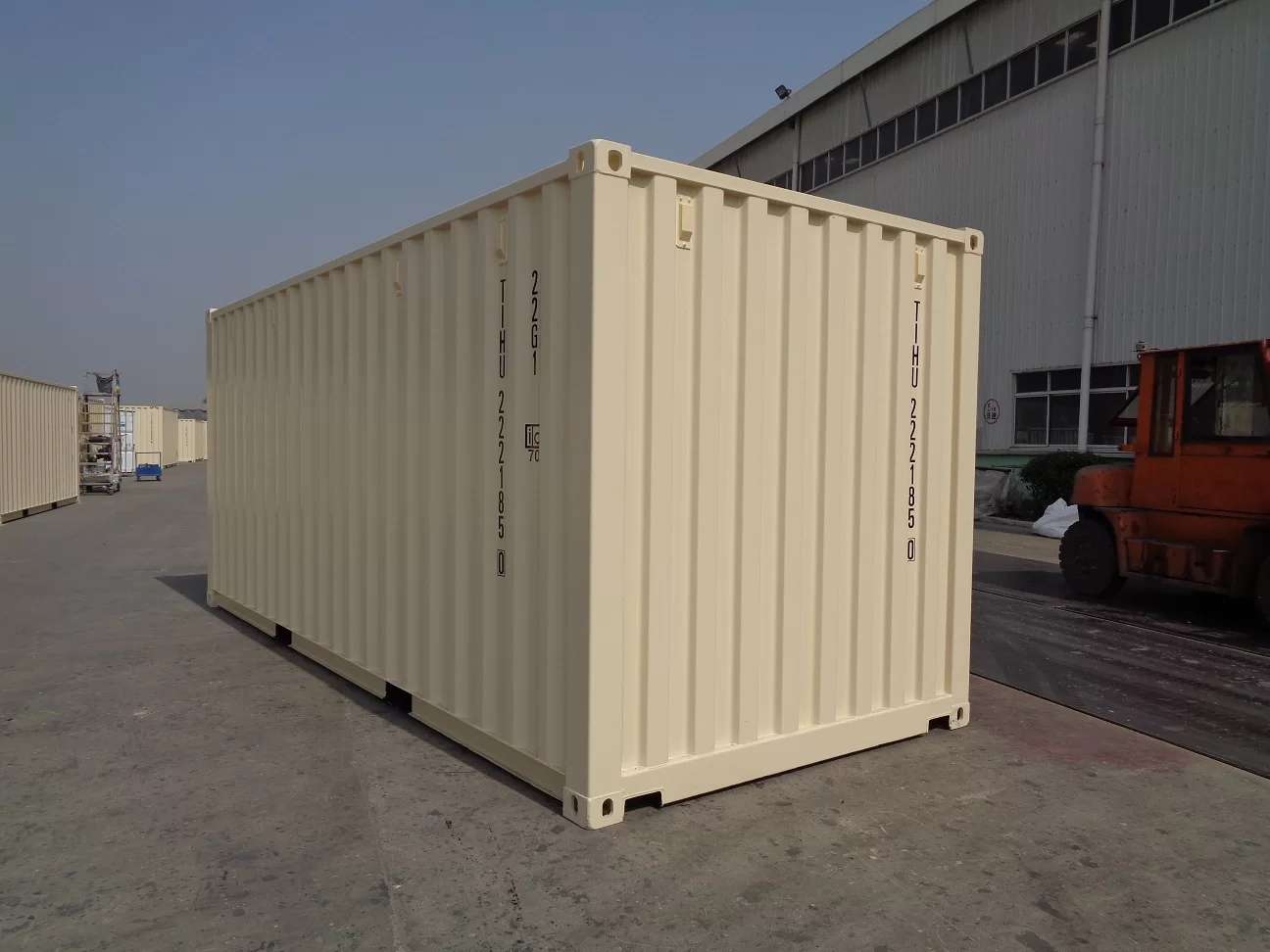
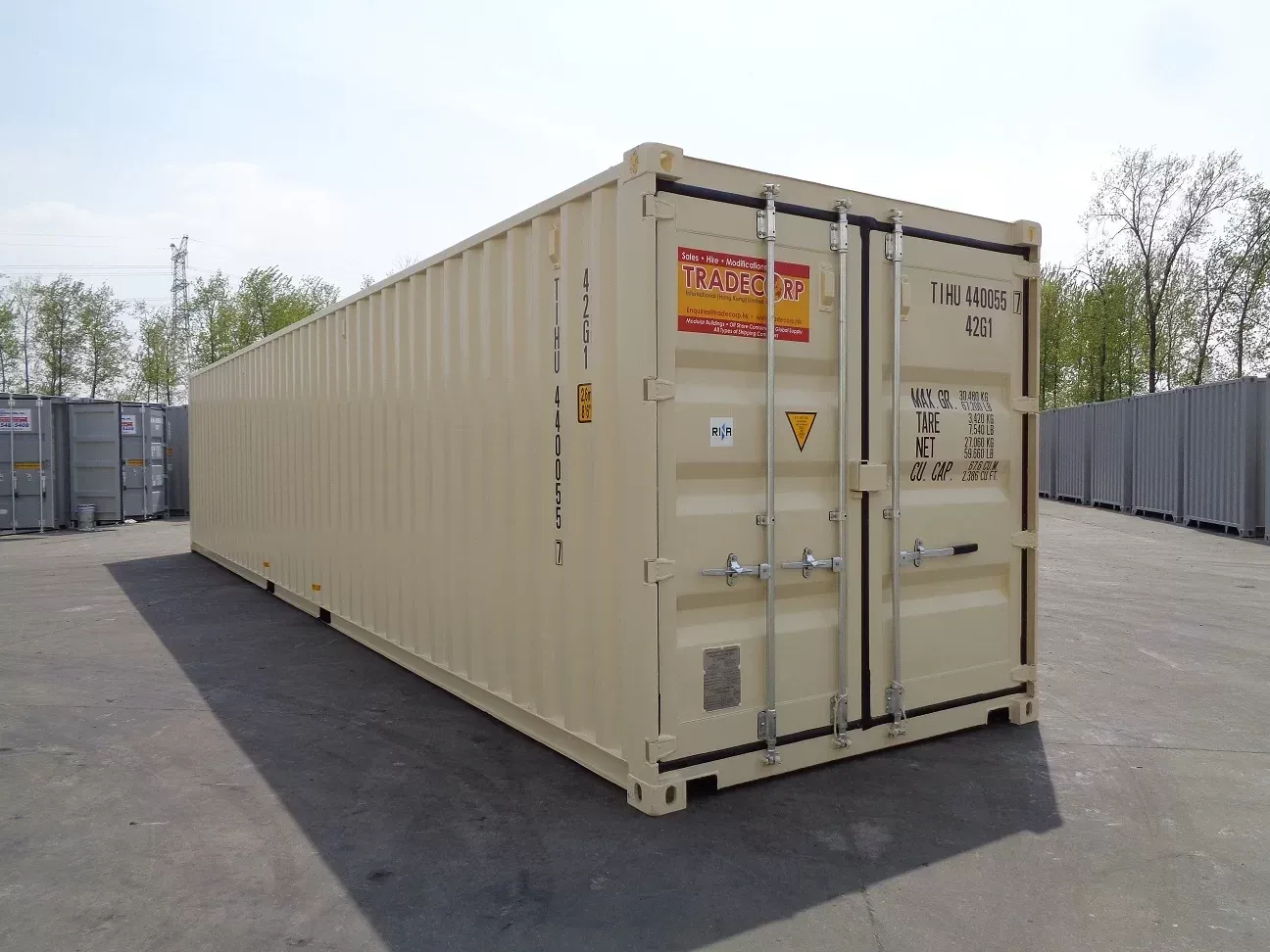
A dry container, also known as a standard shipping container, is the most common container for general cargo storage and transportation. It is ideal for dry goods, packaged cargo, and storage container solutions.
Reefer Container
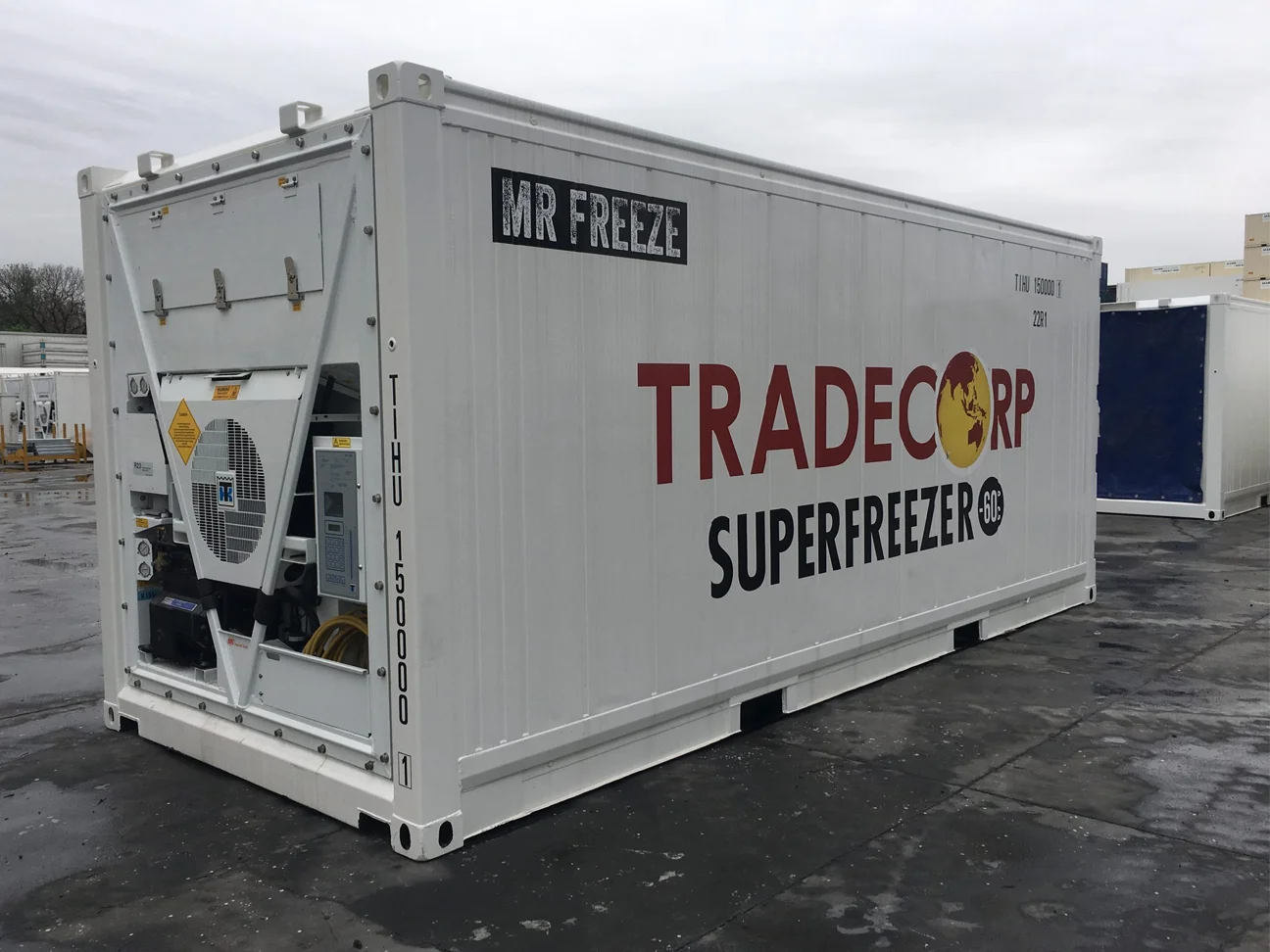
A reefer container is a refrigerated shipping container designed for temperature-controlled cargo. It is widely used for perishable goods, food storage, pharmaceuticals, and cold chain logistics.
Open Top Container
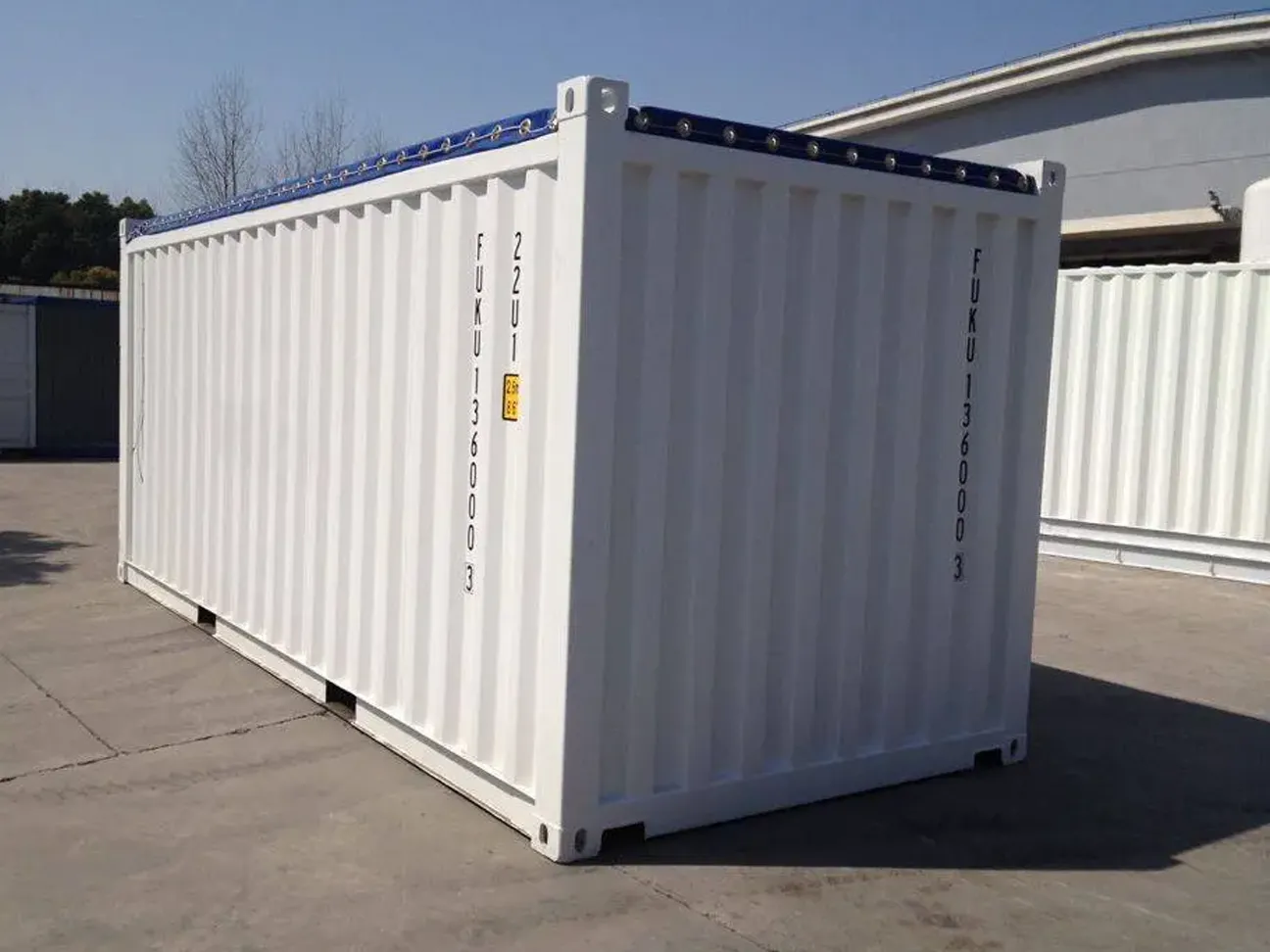
An open-top container is suitable for oversized and heavy cargo that requires top loading. Commonly used for machinery, construction materials, and project cargo.
Flat Rack
A flat rack container is designed for heavy, wide, or irregular cargo that cannot fit into standard containers. Ideal for industrial equipment, machinery, and out-of-gauge cargo.
T11 Tank Container
A T11 tank container is a specialized container used for liquid materials transport. It complies with international tank container standards and ensures safe handling of liquid cargo.
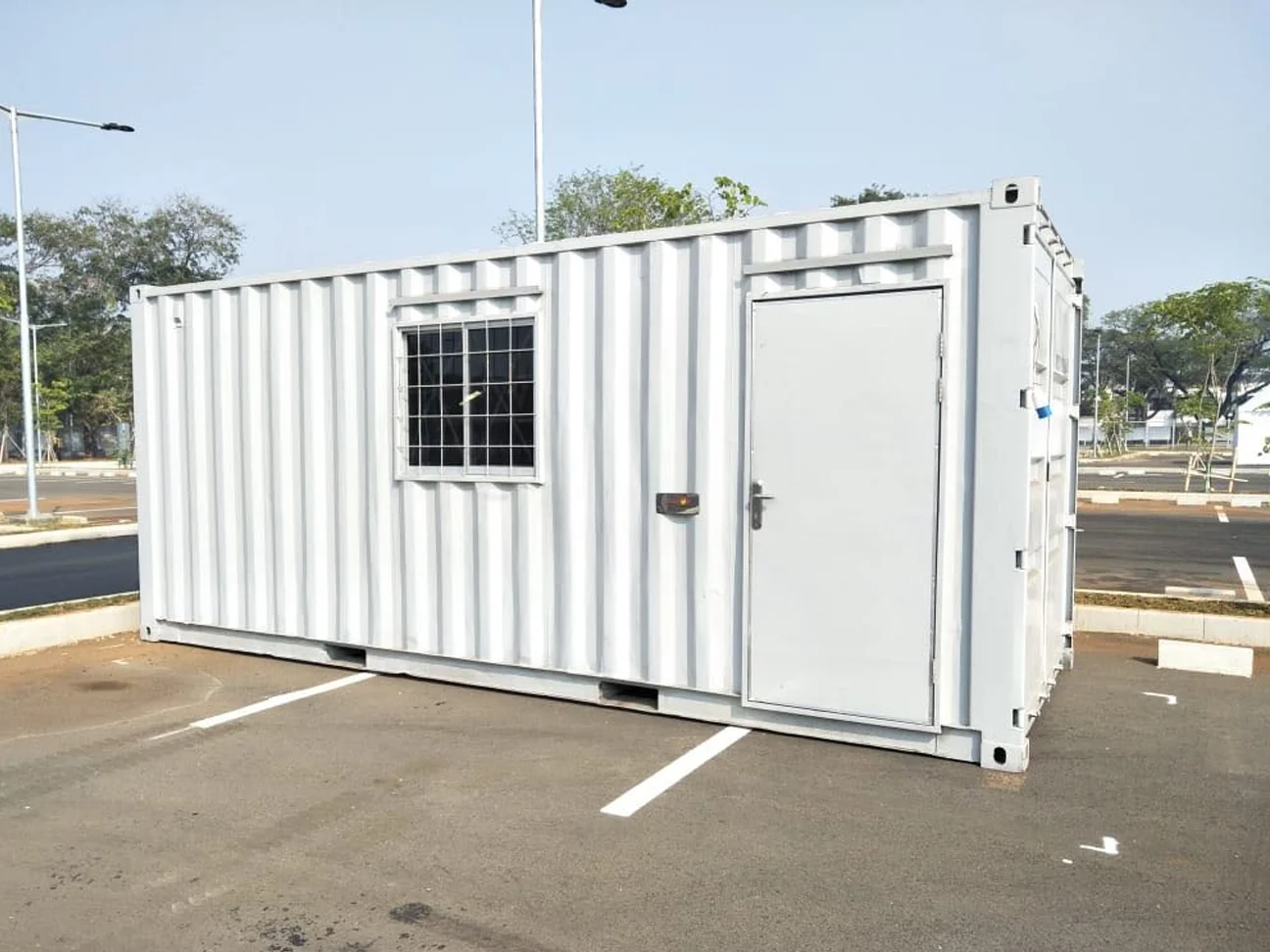
Selecting the right container is crucial for ensuring safe cargo handling, storage, and project operations. At Tradecorp, we specialize in selling and leasing container units to support export preparation, storage needs, site offices, and various industrial applications.
Whether you need new or used containers, standard or modified units, our team is ready to help you find the most suitable solution tailored to your specific requirements. Contact Tradecorp today to inquire about container unit sales and leasing options.