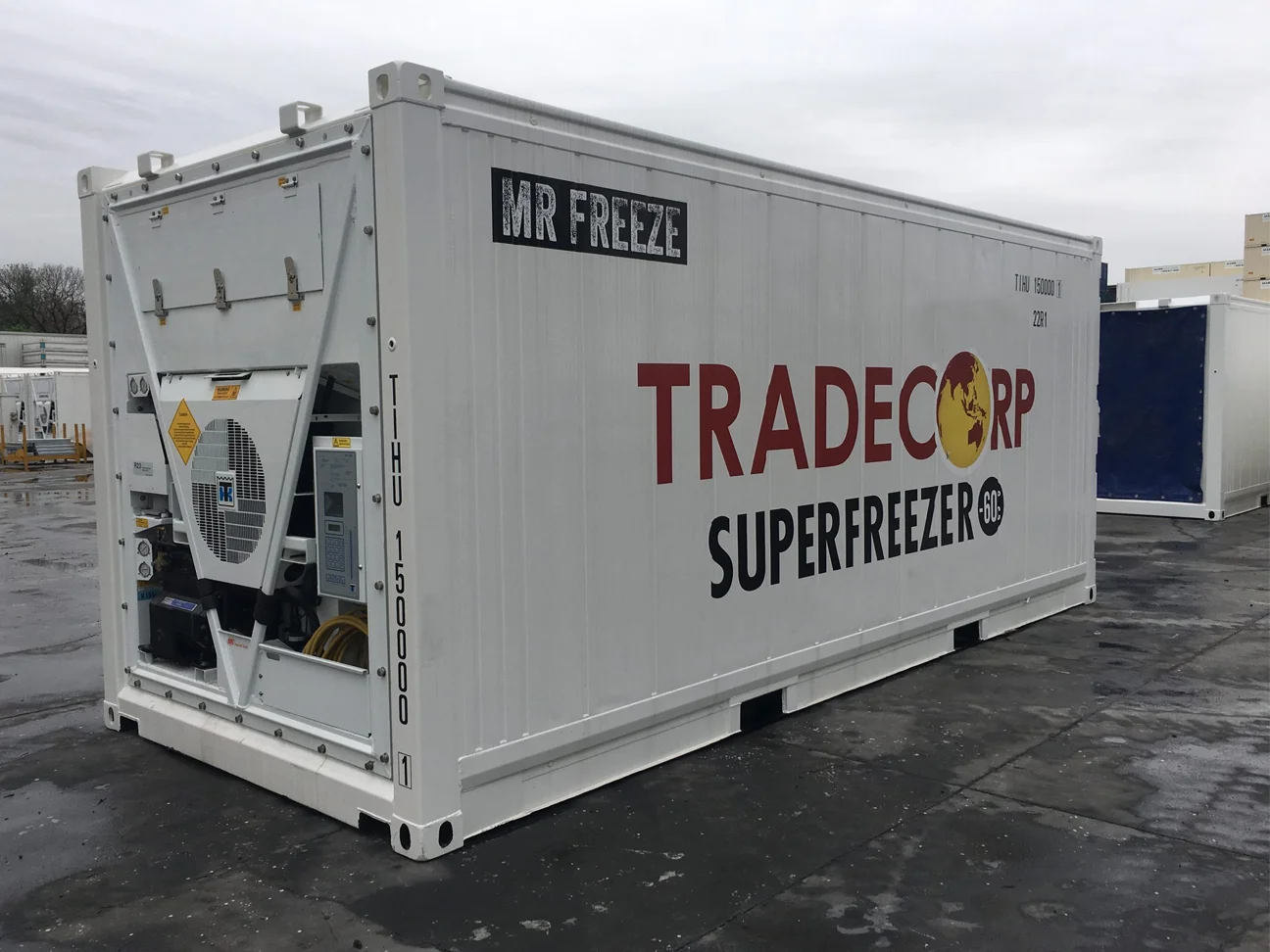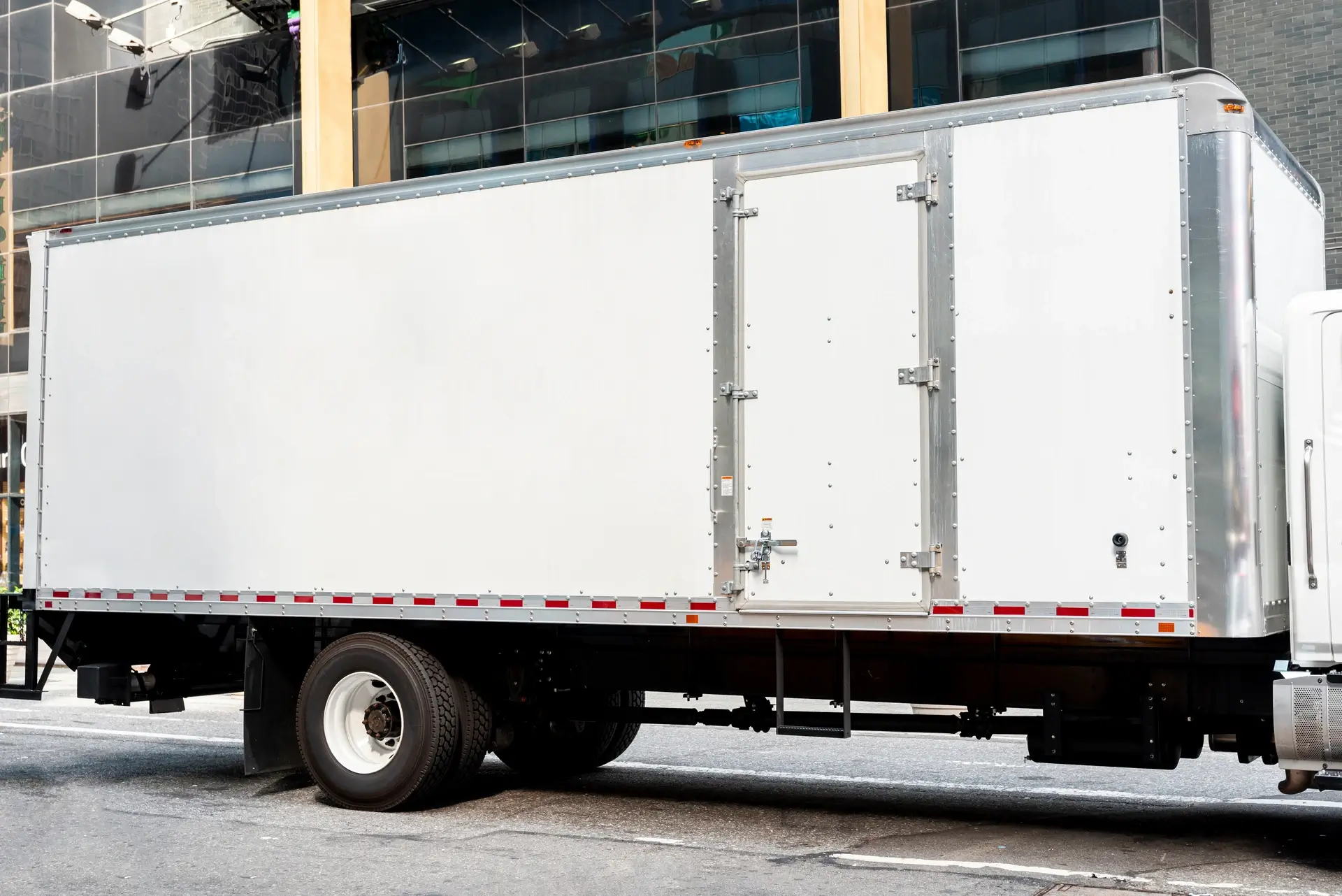
In the modern distribution and logistics industry, a refrigerated shipping container is the easiest solution to store and transport perishable goods. With this, perishable goods become easier to distribute to various parts of the world, without reducing their quality at their destination.
To ensure the successful use of a refrigerated shipping container, proper maintenance must be carried out routinely so the unit can operate optimally. It is the key to keeping the freshness and quality of transported products.
Read below to learn about the important features, requirements, and maintenance methods.
What is a Refrigerated Shipping Container?
Certain products require special temperatures, such as fruits, vegetables, meat, seafood, pharmaceuticals, and others. Therefore, they need a refrigerated shipping container. It is a method of preservation that uses extremely low temperatures to maintain the freshness, quality, and safety of products.
Freezing temperatures usually reach below the freezing point of water, ranging from -18°C to -40°C, to slow spoilage and inhibit the growth of bacteria as well as enzymatic activity that could damage the products.
A refrigerated shipping container is often carried out in special facilities called cold rooms or cold storage. Cold storage is a room or warehouse equipped with a cooling system capable of maintaining stable low temperatures according to the product’s requirements, ensuring food quality and freshness are preserved for a longer period.
Important Features of a Refrigerated Shipping Container
A refrigerated shipping container has several important features that distinguish it from other containers. Some of these features include:
- The ability to control and maintain interior temperature.
- Humidity regulation to maintain product quality.
- A ventilation system that supports optimal air circulation.
- Advanced thermal insulation to protect products from extreme temperature changes.
- A sophisticated temperature and humidity monitoring system.
- Flexible power source options, such as generators or ship-based power.
Refrigerated Shipping Container Maintenance
Proper reefer maintenance is key to ensuring the smooth operation and smooth running of your business. Here are some effective ways to maintain reefer containers:
- Regular inspections to detect potential problems.
- Container cleanliness to prevent contamination.
- Maintaining good ventilation for optimal air circulation.
- Regular temperature calibration to achieve accuracy.
- Routine maintenance on the cooling unit.
- Regularly check and replace batteries.
- Prepare for emergencies such as power outages.
- Use professional services for regular maintenance.
Things That Can Ruin Reefer Container
Several factors can damage cargo, reduce cooling performance, or even cause complete reefer container failure. These problems can spoil temperature-sensitive goods and create major financial losses. They are:
- Using harsh chemicals that corrode metal or seals when cleaning.
- Overloading the container or blocking the airflow channels can spoil food, medicine, or perishables, even if the thermostat says it’s at the correct temp.
- Ignoring small issues can lead to major problems, higher costs, and cargo damage later on. A tiny refrigerant leak can lead to complete cooling failure.
- Tradecorp’s Refrigerated Shipping Containers.
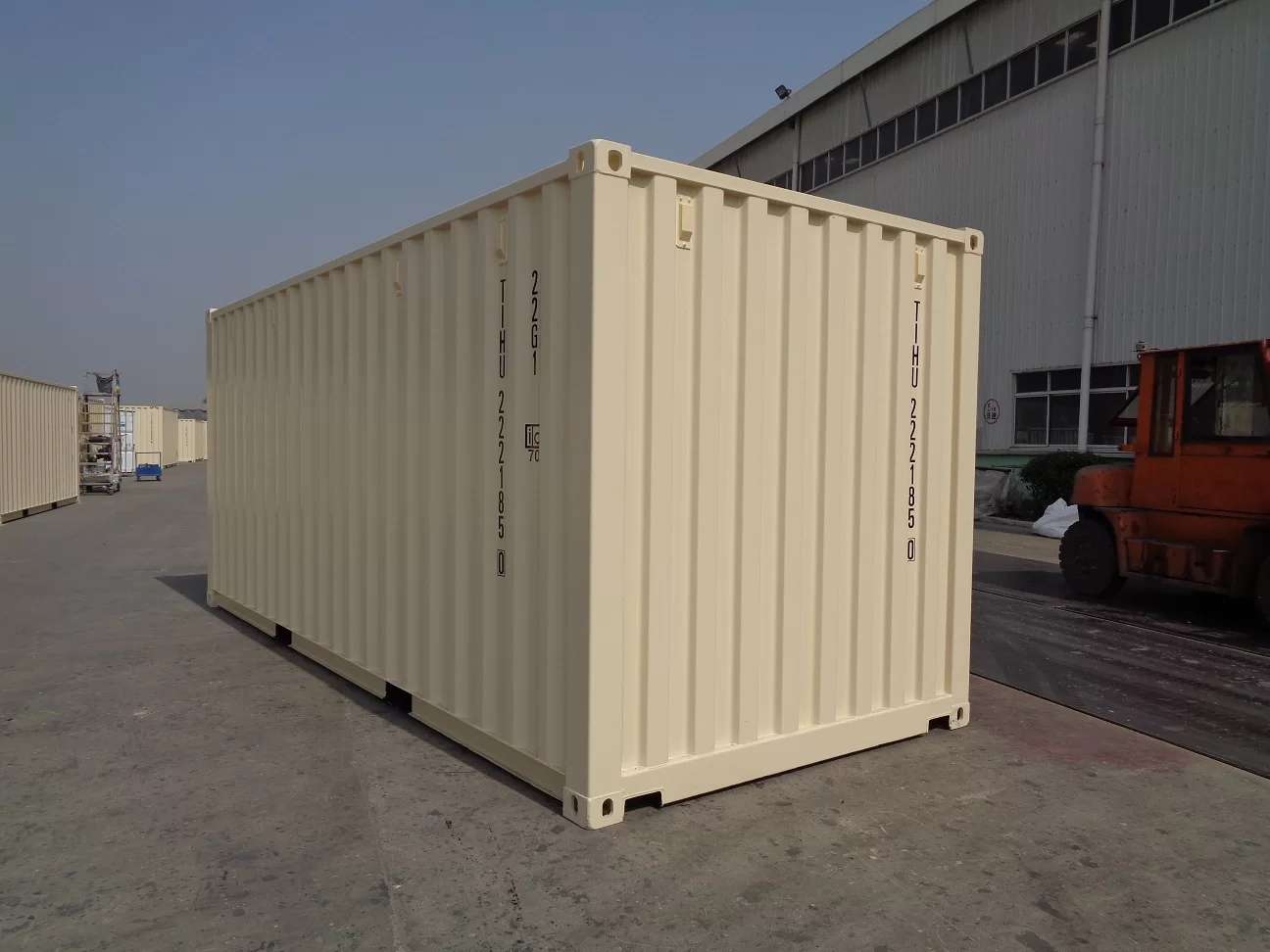
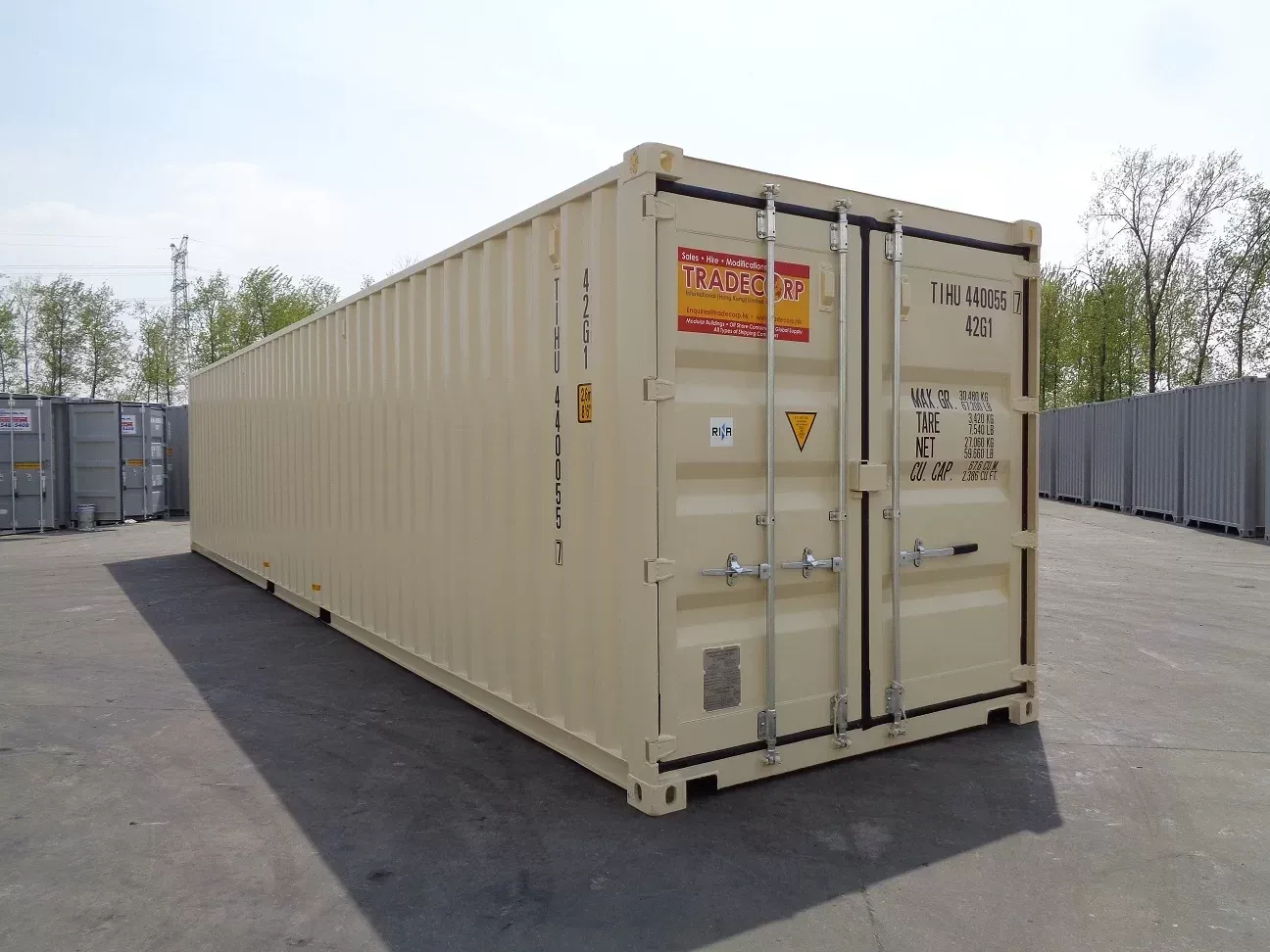
Tradecorp is a trusted provider of refrigerated shipping containers, offering units in both 20 ft and 40 ft refrigerated containers. These containers are engineered to deliver constant temperature control, ideal for exporters, importers, distributors, and food processors in Fiji.
| Specification | 20 ft Reefer | 40 ft Reefer |
| External Dimensions | 6 m × 2.4 m × 2.6 m | 12 m × 2.4 m × 2.6 m |
| Internal Volume | 28.4 m³ | ~57.8 m³ |
| Max Gross Weight | 30.480 kg | 26,120 kg |
| Tare Weight | 2.820 kg | 4,360 kg |
20 ft Reefer: Ideal for Flexibility and Smaller Loads
- More cost-efficient for smaller businesses, fisheries, or agro-processors.
- Easier to pre-cool and load, reducing the risk of temperature deviation.
- Useful for partial loads or mixed cargo.
40 ft Reefer: Optimal for High-Volume Shipments
- Higher volume per trip means lower cost per cubic meter for large consignments.
- Suitable for long-term frozen food exports, large-scale root crop shipments, or bulk chilled goods heading to supermarkets.
- More efficient when exporting consolidated pallets or densely packed cargo.
Conclusion
You need to maintain a reefer container to ensure it runs efficiently, protects your cargo, and lasts longer. With the best unit conditions, you can trust Tradecorp for your reefer container needs.
As one of the trusted providers that reliably presents various container units, Tradecorp offers the option to buy used or new containers, with the alternative of renting for short-term use. Fill out the contact form on our page to get the reefer container, and we will respond to your inquiry promptly.