In the world of international trade and logistics, ports play a critical role as gateways connecting global supply chains. Among thousands of ports worldwide, one port consistently stands out as the busiest port in the world based on container traffic, is the Port of Shanghai, China.
What Does “Busiest Port in the World” Mean?
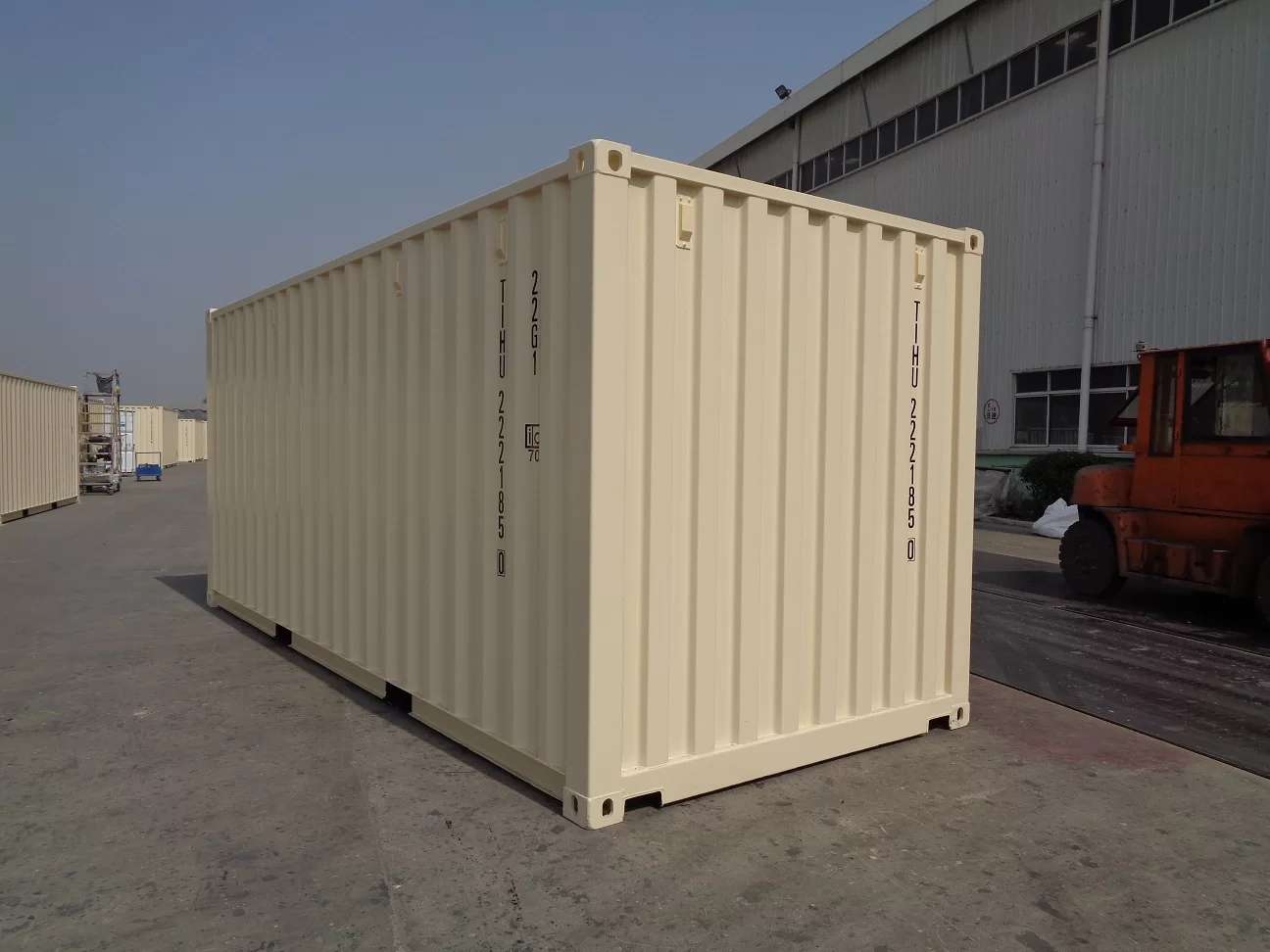
When experts refer to the “busiest port in the world,” they usually measure it by container throughput, expressed in TEUs (Twenty-Foot Equivalent Units). One TEU represents a standard 20-foot shipping container. This metric is the most widely accepted indicator of port activity because it reflects the actual movement of containerized goods rather than total cargo weight alone.
Port of Shanghai: The World’s Busiest Port in the World
The Port of Shanghai has held the title of the world’s busiest container port for more than a decade. In recent years, it has handled over 50 million TEUs annually, far exceeding any other port globally.
Located at the mouth of the Yangtze River, Shanghai benefits from a strategic position that connects inland China with major global shipping routes. The port serves as a vital hub for exports such as electronics, machinery, textiles, and consumer goods, as well as imports of raw materials and industrial components.
Why Is Shanghai the Busiest?
Several factors contribute to Shanghai’s dominance:
- Strategic Location: Positioned at the intersection of coastal shipping lanes and inland waterways, linking China’s industrial heartland to international markets.
- Massive Infrastructure: Home to advanced terminals, including the Yangshan Deep-Water Port, capable of handling ultra-large container vessels.
- High Export Volume: China’s role as a global manufacturing center drives enormous container traffic through Shanghai.
- Advanced Technology and Automation: Automated terminals, smart logistics systems, and efficient customs processes significantly reduce turnaround time.
Other Busiest Ports in the World for Container
While Shanghai ranks first, several other ports handle massive container volumes and play critical roles in global maritime trade. Below is a list of the world’s busiest container ports, ranked by annual container throughput (approximate figures):
- Port of Shanghai (China) – 50+ million TEUs
- Port of Singapore (Singapore) – 40+ million TEUs
- Port of Ningbo–Zhoushan (China) – 38+ million TEUs
- Port of Shenzhen (China) – 32+ million TEUs
- Port of Qingdao (China) – 30+ million TEUs
- Port of Guangzhou (China) – 26+ million TEUs
- Port of Busan (South Korea) – 23+ million TEUs
- Port of Tianjin (China) – 22+ million TEUs
- Port of Jebel Ali (UAE) – 15+ million TEUs
- Port Klang (Malaysia) – 14+ million TEUs
These busiest port in the world serve as major gateways for international trade, transshipment hubs, and regional logistics centers connecting Asia, the Middle East, Europe, and the Americas.
How These Ports Compare Globally
It is important to understand that rankings may vary depending on the criteria used. Some reports focus on container volume, while others emphasize port efficiency, connectivity, sustainability, or service quality. For example, the Port of Singapore frequently ranks among the top ports globally for operational excellence, even when it is second in total container throughput.
However, when measured strictly by container volume handled, the Port of Shanghai continues to lead the world by a significant margin.
Read More: 8 Key Features of General Purpose Containers
Why the World’s Busiest Ports Matter
The performance of the world’s busiest container ports directly affects global supply chains. Congestion, labor issues, or disruptions at any of these major ports can have ripple effects across international trade, impacting shipping costs, delivery times, and inventory planning worldwide.
For exporters, importers, and logistics providers, understanding where cargo flows are concentrated is crucial for effective route planning, port selection, and risk management.
The Port of Shanghai remains the world’s busiest container port, supported by China’s manufacturing strength and world-class port infrastructure. Alongside other major ports such as Singapore, Ningbo-Zhoushan, and Busan, it forms the backbone of global containerized trade.
As international commerce continues to expand, these ports will remain essential hubs driving efficiency, connectivity, and economic growth across the global maritime industry.
Choose the Right Place to Buy Containers for Export and Import
With global cargo flowing through the world’s busiest ports like Shanghai, Singapore, and Ningbo-Zhoushan, choosing the right partner to supply your containers is just as important as choosing the right shipping route. Whether you are exporting or importing, reliable containers ensure your goods move safely, efficiently, and on schedule, no matter which major port they pass through.
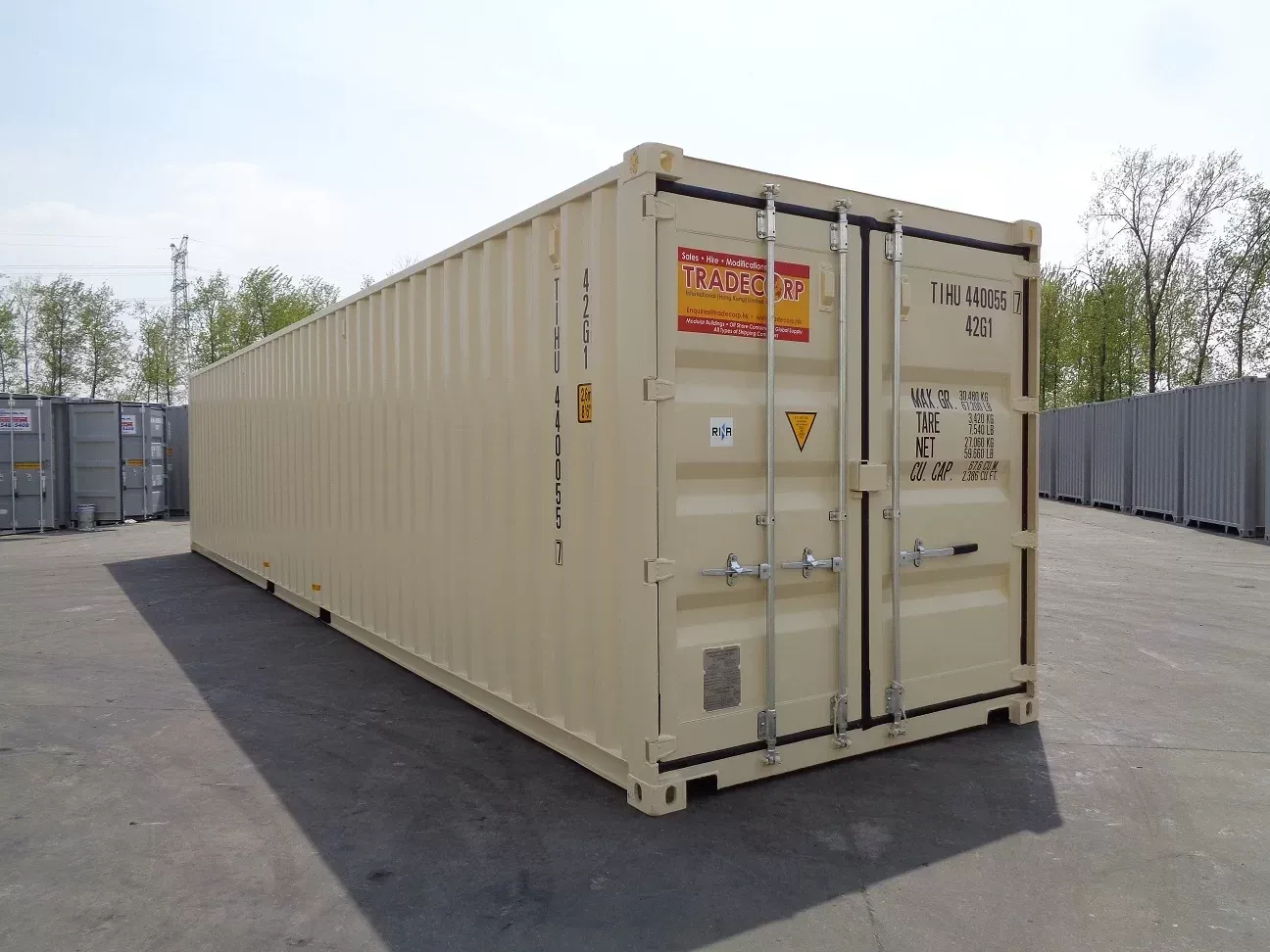
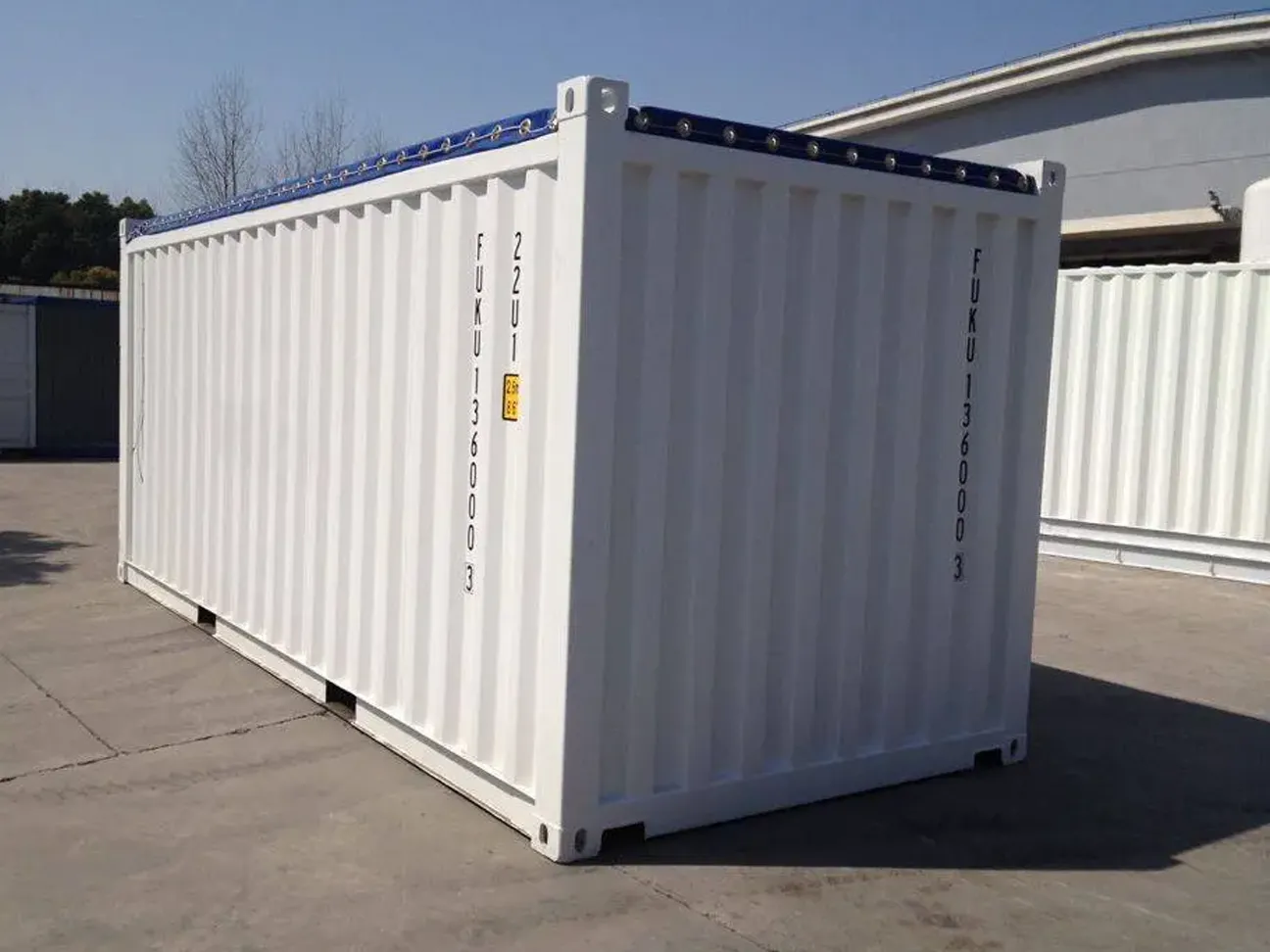
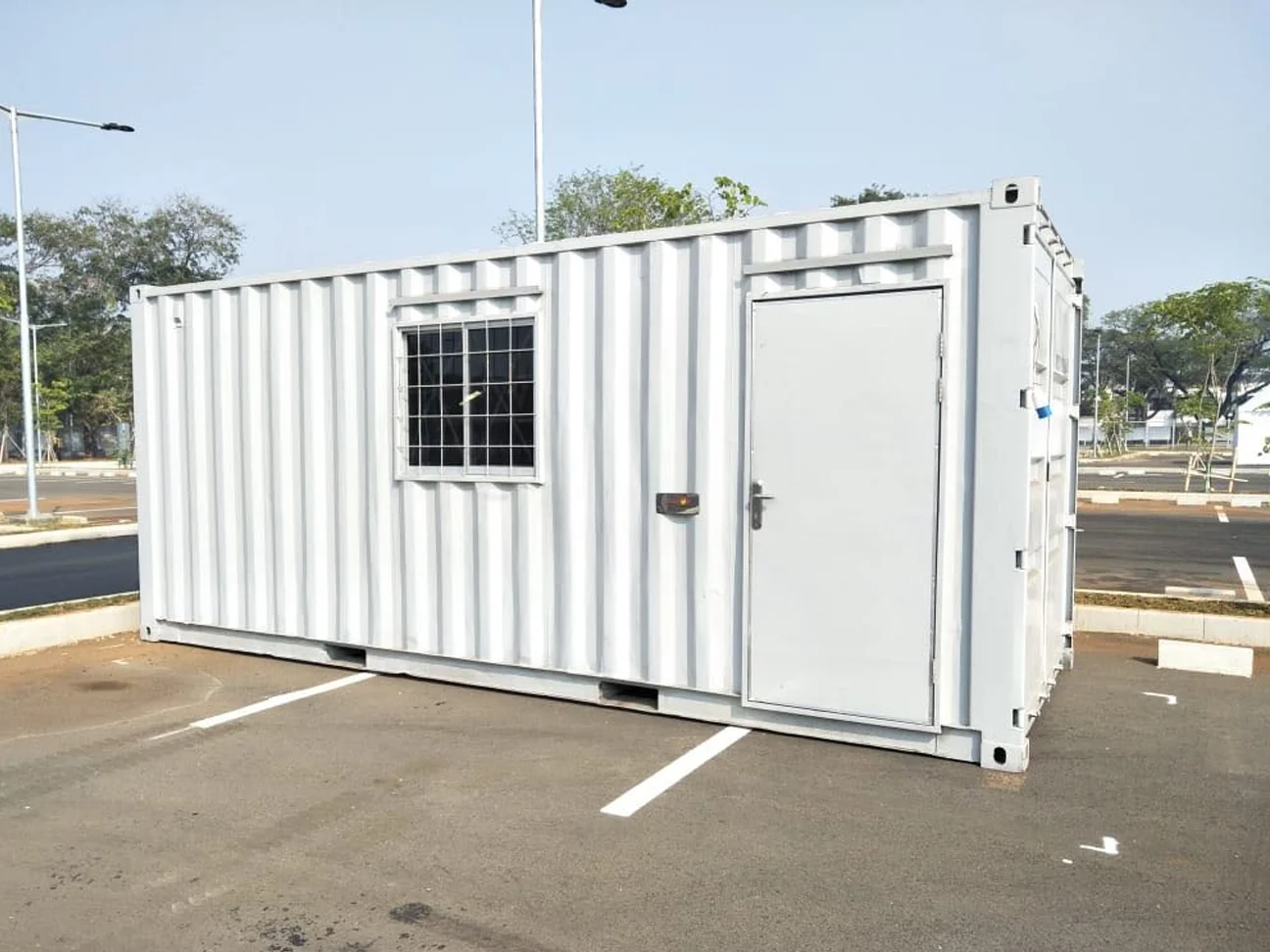
Make sure you work with a trusted container supplier like Tradecorp. We sell and lease many types of containers, such as dry containers, reefer, ISO tank, open top, and many modified units. Contact our team today to get the right container solution for your export and import shipments worldwide.