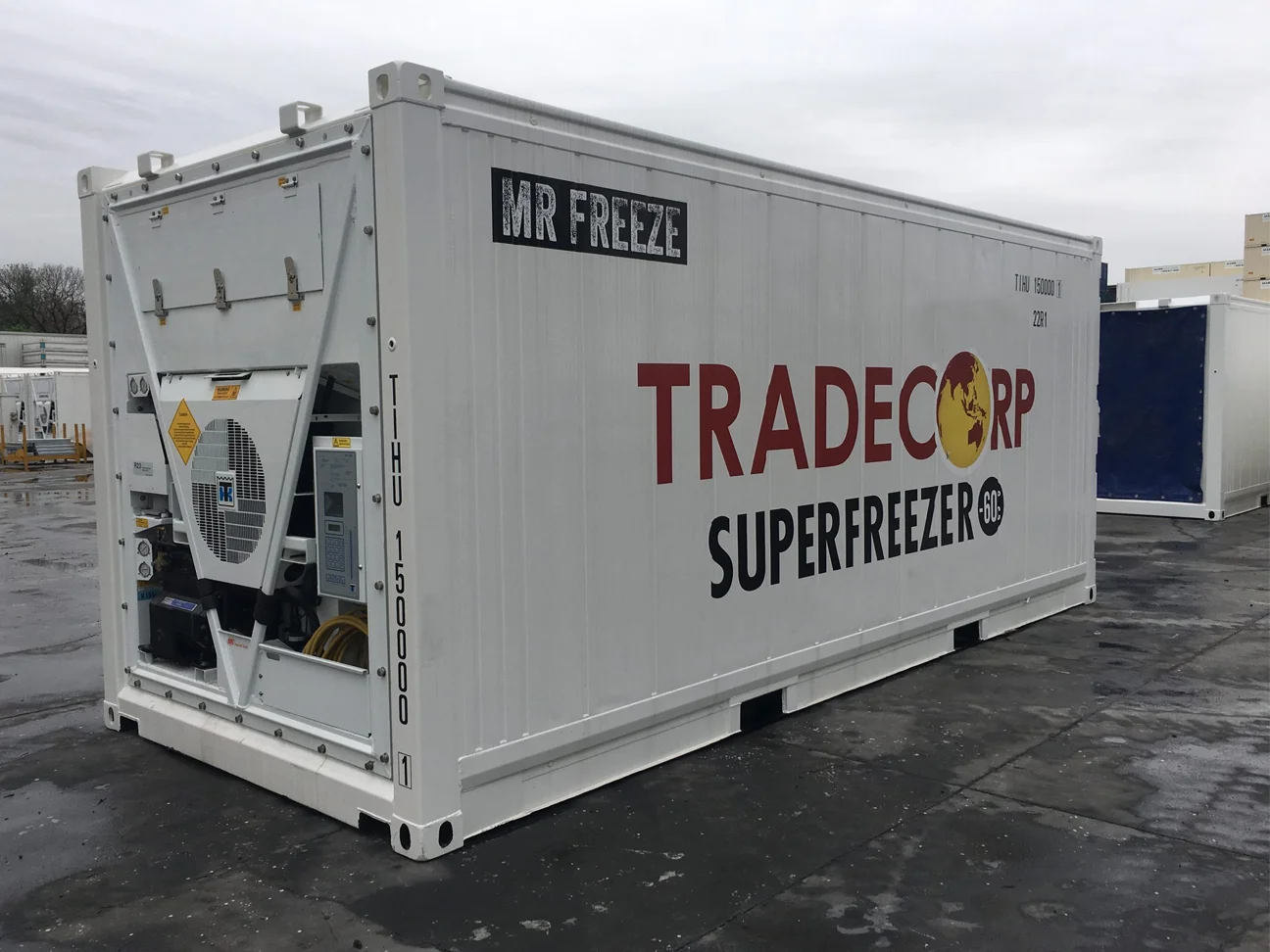
Maintaining the right temperature during transport is essential to preserve product quality and safety. Certain types of refrigerated cargo require extra cooling to remain in top condition until they reach their destination. Using the proper refrigeration system is key to ensuring the freshness and safety of various types of cargo throughout the shipping process.
10 Types of Refrigerated Cargo That Require Extra Cooling
In Fiji’s tropical climate, maintaining the right temperature during transportation is essential to protect product quality and safety. Some goods need extra cooling when shipped using reefer containers or refrigerated trucks to ensure they arrive in top condition, whether destined for Suva, Lautoka, or export markets like Australia and New Zealand.
Here are ten common types of refrigerated cargo that require extra temperature control:
1. Meat and Processed Meat Products
Fresh beef, poultry, fish, and processed items such as sausages and nuggets must be kept at consistently low temperatures to prevent bacterial growth and maintain freshness.
2. Seafood and Marine Products
Fiji’s seafood exports, such as tuna, prawns, and crabs are highly sensitive to temperature changes. They generally require storage between –18°C and –25°C to preserve freshness and taste during shipping.
3. Fresh Fruits and Vegetables
Tropical fruits like papaya, mango, and pineapple, as well as imported fruits such as apples and grapes, need cooling to prevent spoilage and retain their quality during local delivery or export.
4. Dairy Products
Fresh milk, yogurt, cheese, and butter must be kept at stable, chilled temperatures to prevent spoilage and preserve their texture and flavor, especially during inter-island transport.
5. Ice Cream and Frozen Foods
Other refrigerated cargo are ice cream, frozen seafood, and ready-to-eat meals require deep freezing at –25°C or lower to ensure they remain solid throughout the shipping process.
6. Pharmaceuticals and Vaccines
Medicines and vaccines used across Fiji’s healthcare facilities must be stored within specific temperature ranges to remain effective. Some sensitive vaccines, for instance, require ultra-low temperatures.
7. Flowers and Ornamental Plants
Cut flowers such as orchids and anthuriums need cool temperatures to stay fresh and vibrant until they reach their destination.
8. Chocolate and Confectionery
Due to Fiji’s warm climate, chocolates and similar confectionery products must be shipped in temperature-controlled containers to prevent melting and texture changes.
9. Cold Beverages and Fermented Products
Products like fresh fruit juices or fermented drinks must be kept cool to preserve their flavor, carbonation, and overall quality.
10. Chemicals and Laboratory Materials
Certain laboratory reagents and chemical products used in research or healthcare are sensitive to heat. Controlled cooling helps maintain their stability and prevents degradation.
Reefer Container Sales and Rental in Fiji
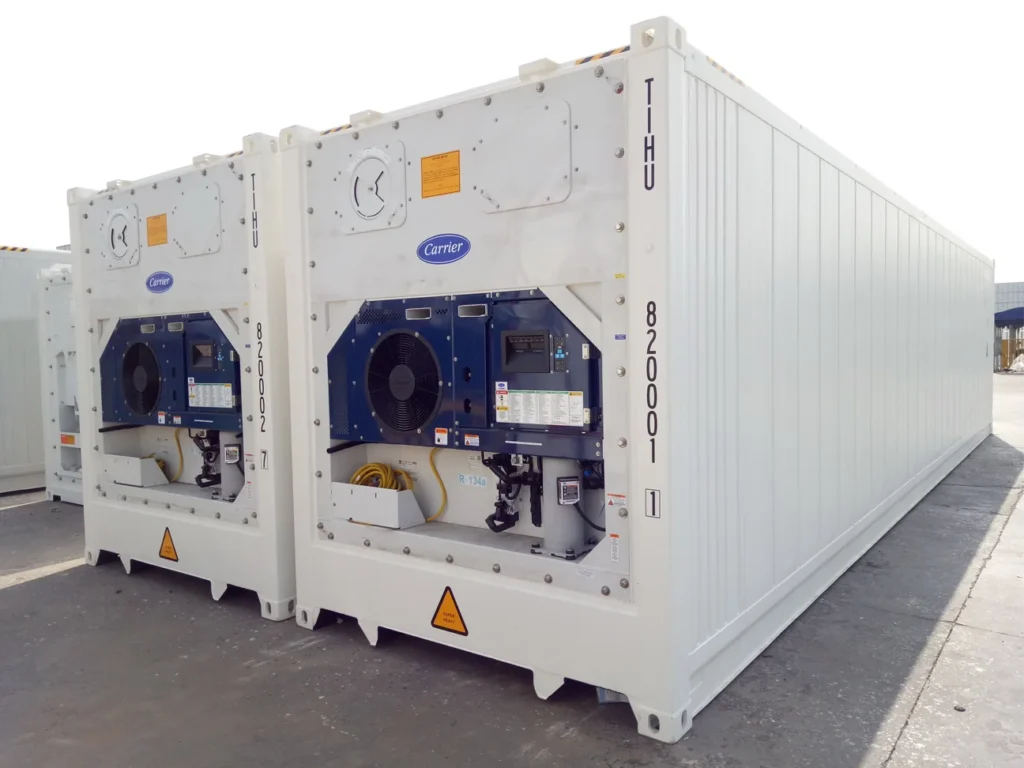
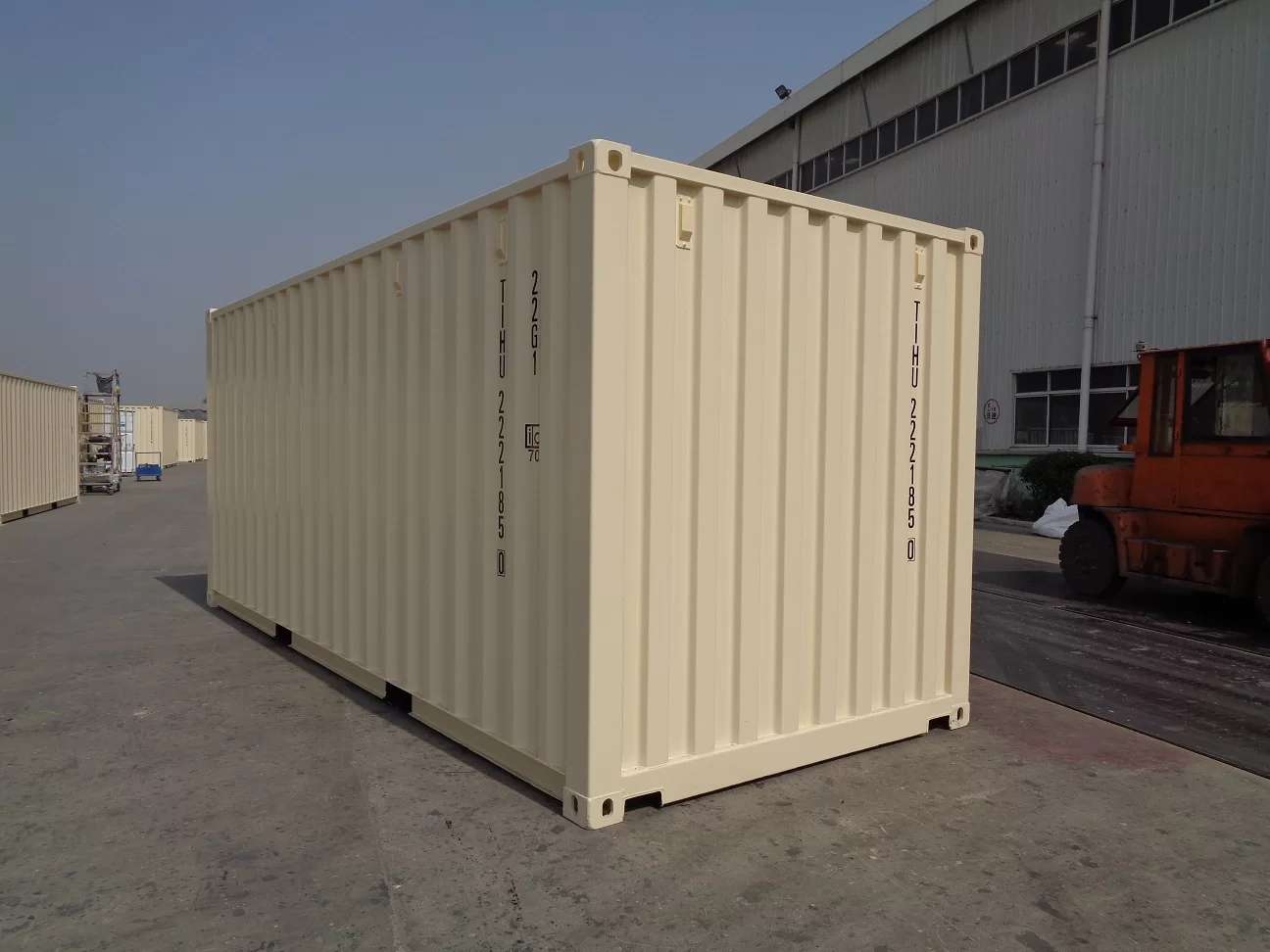
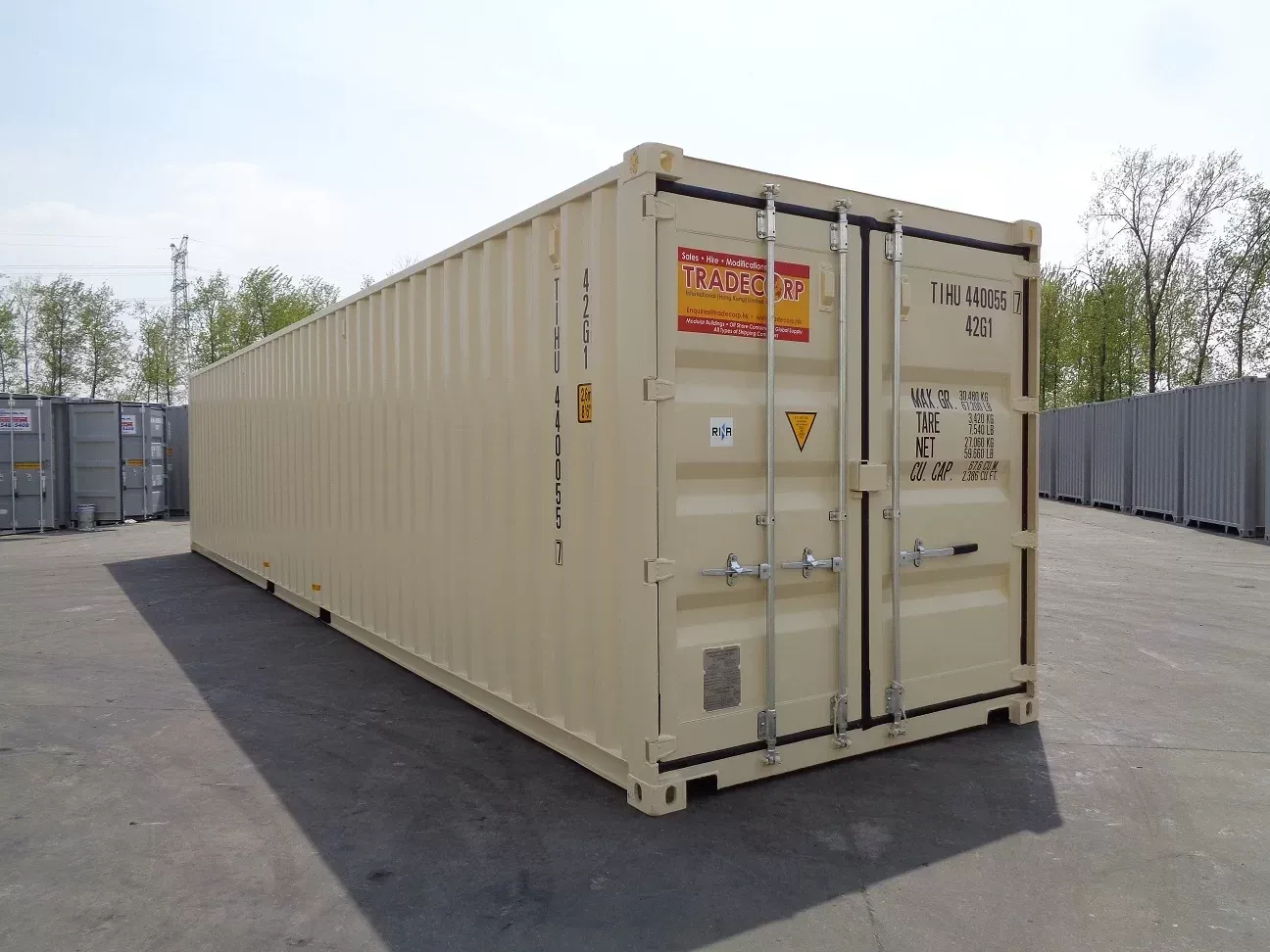
Shipping containers for sale by Tradecorp Fiji provides complete solutions of reefer units to suit your specific business needs. We offer flexible purchase and rental options, allowing you to choose the most cost-effective solution for your operations and all tailored to your requirements. Talk to our team today and get the best offer from Tradecorp Fiji for your refrigerated container needs.