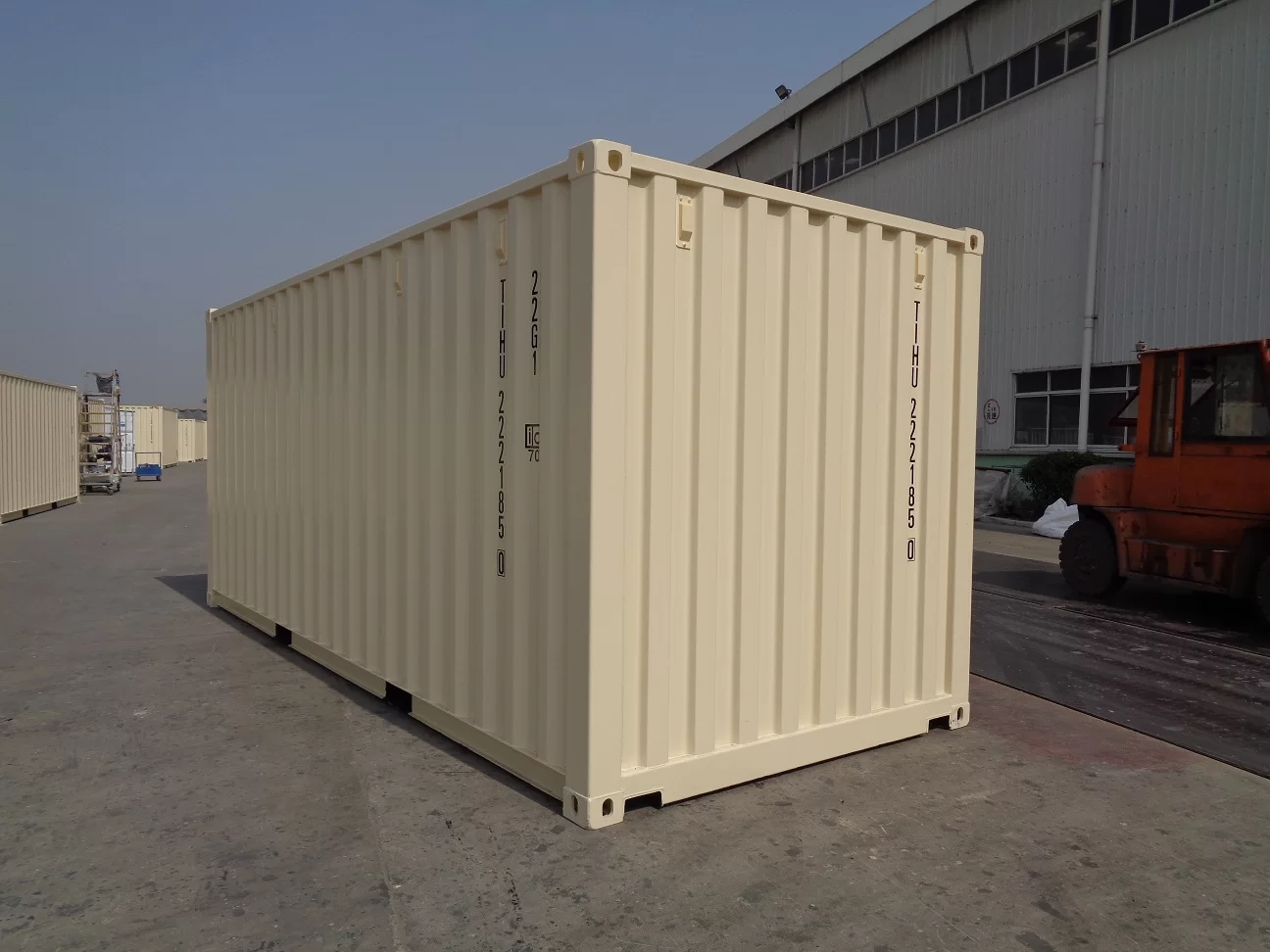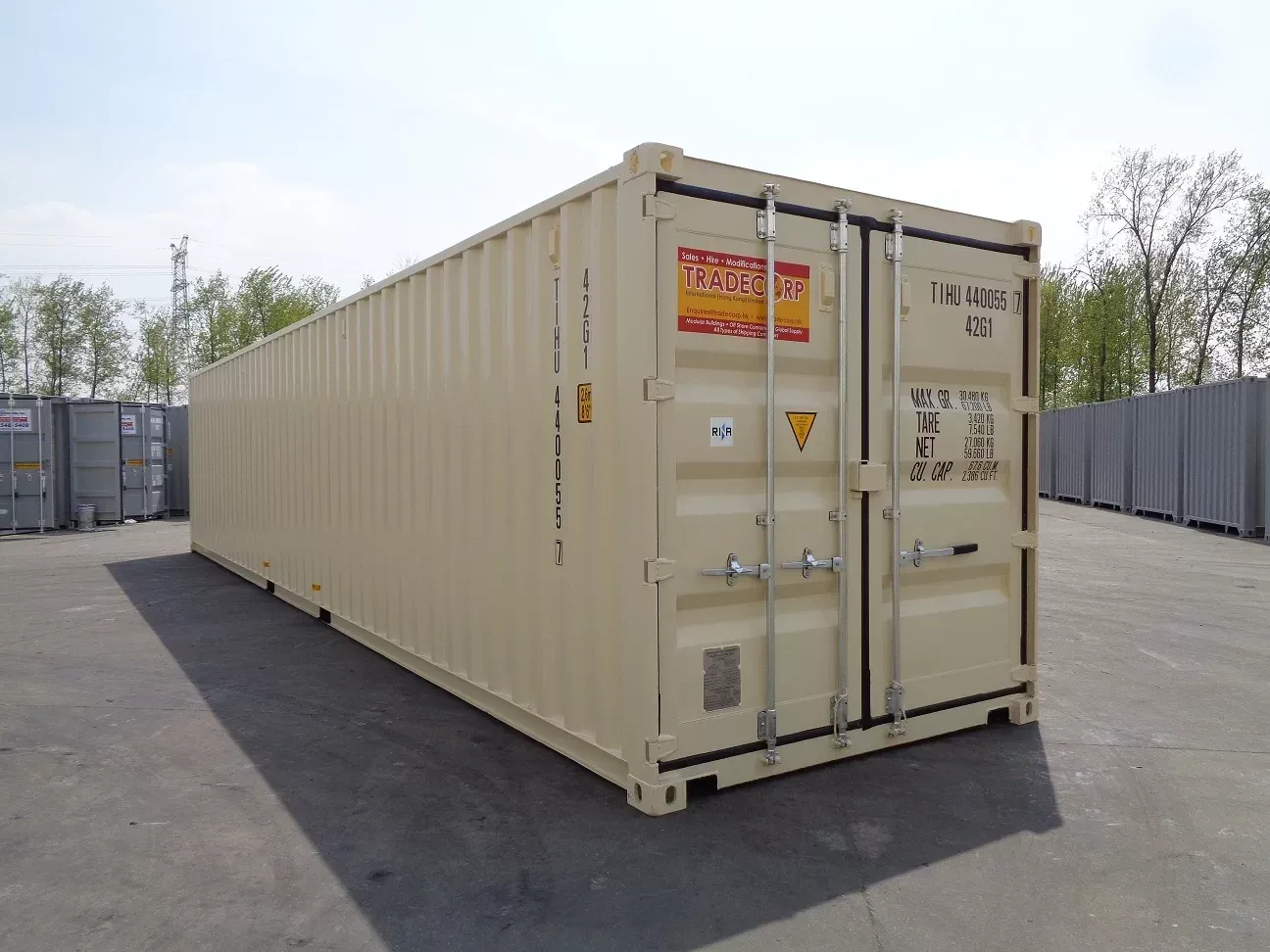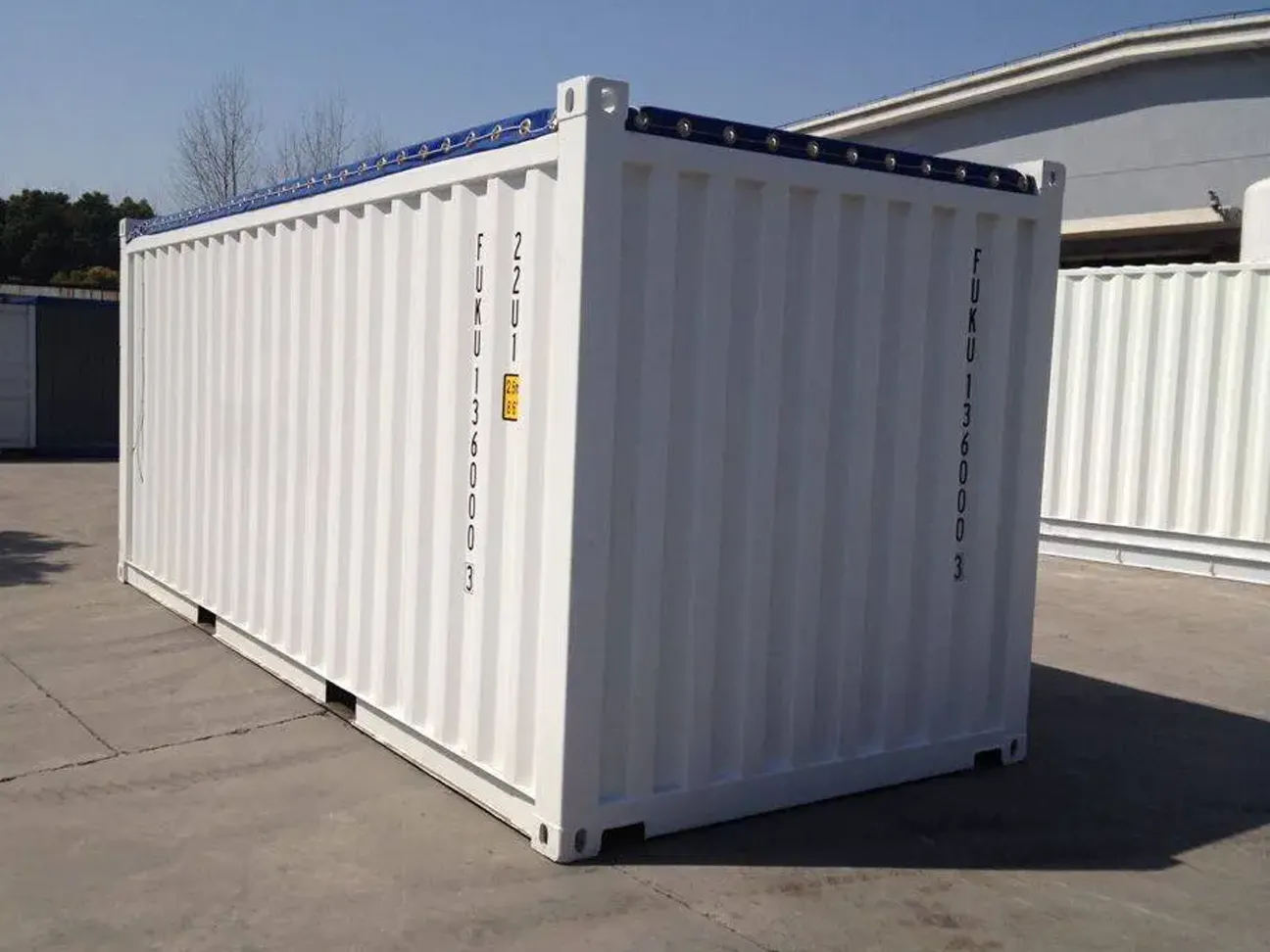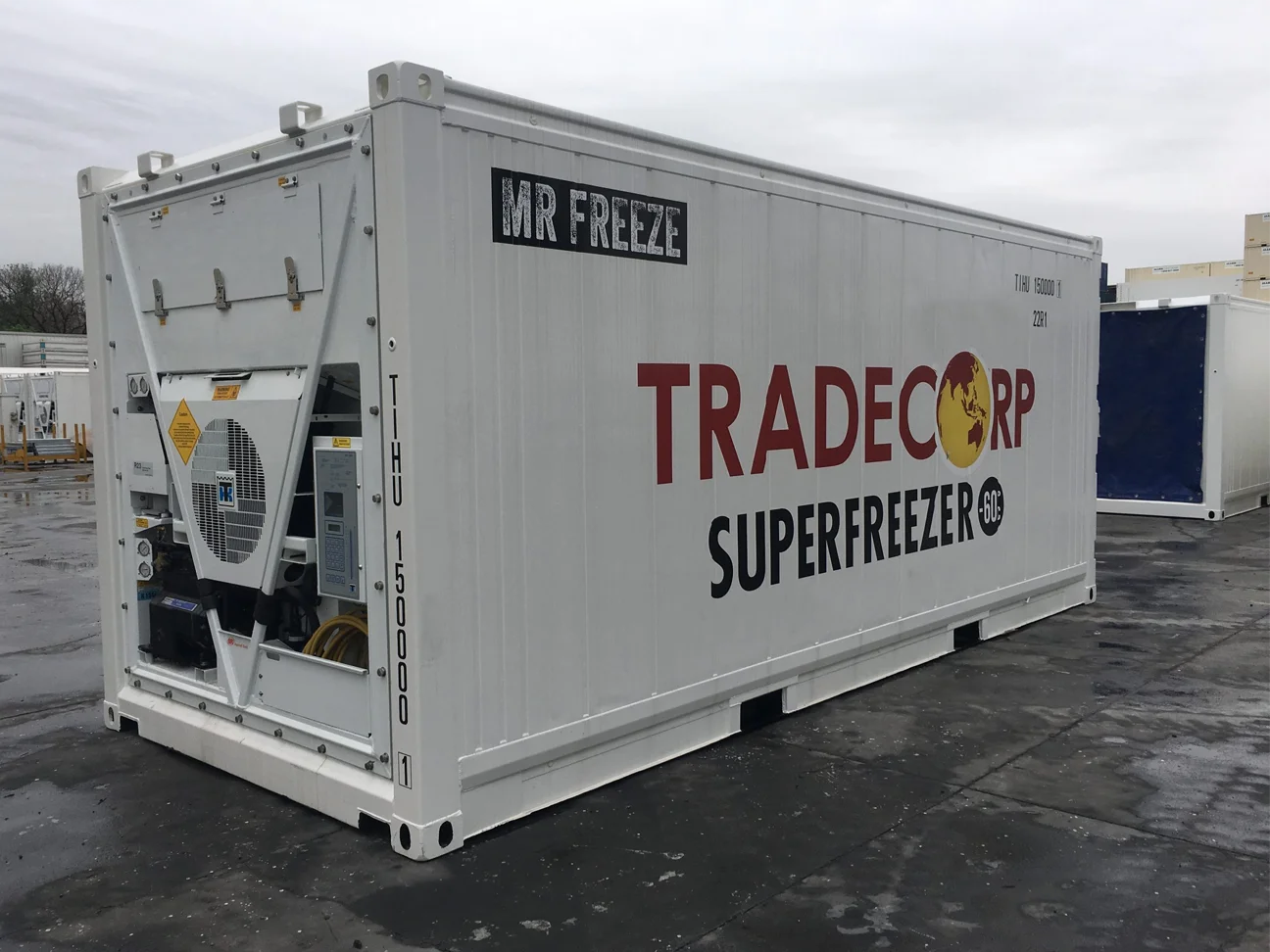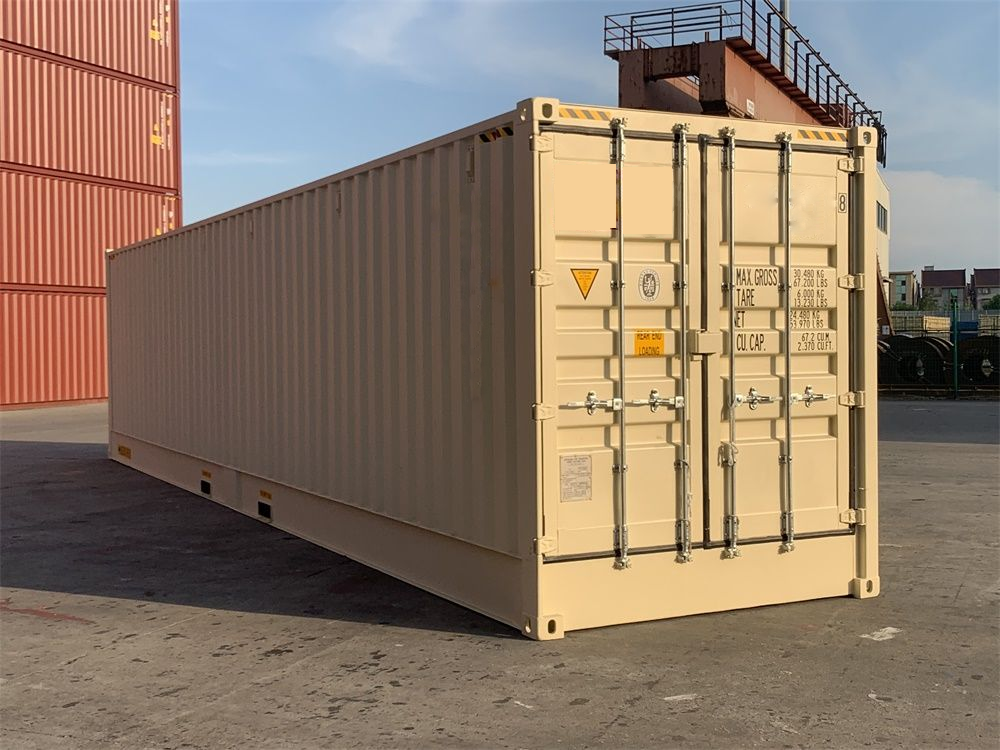
A high cube shipping container is a widely used shipping container that offers extra height. This container is a part of the intermodal container family, which means you can use it across multiple modes of transportation, including by road, rail, and sea.
This container is known for its function in terms of storing and transporting goods domestically and abroad. Regarding its use as a storage unit, you can optimize it for things like storage solutions in your backyard to industrial storage units for secured goods such as machinery, equipment, supplies, and others.
Read this article to the end to learn 101 facts about a high cube shipping container before to avoid costly mistakes.
101 Facts About High Cube Shipping Containers
1. Basic Facts About High Cube Shipping Containers
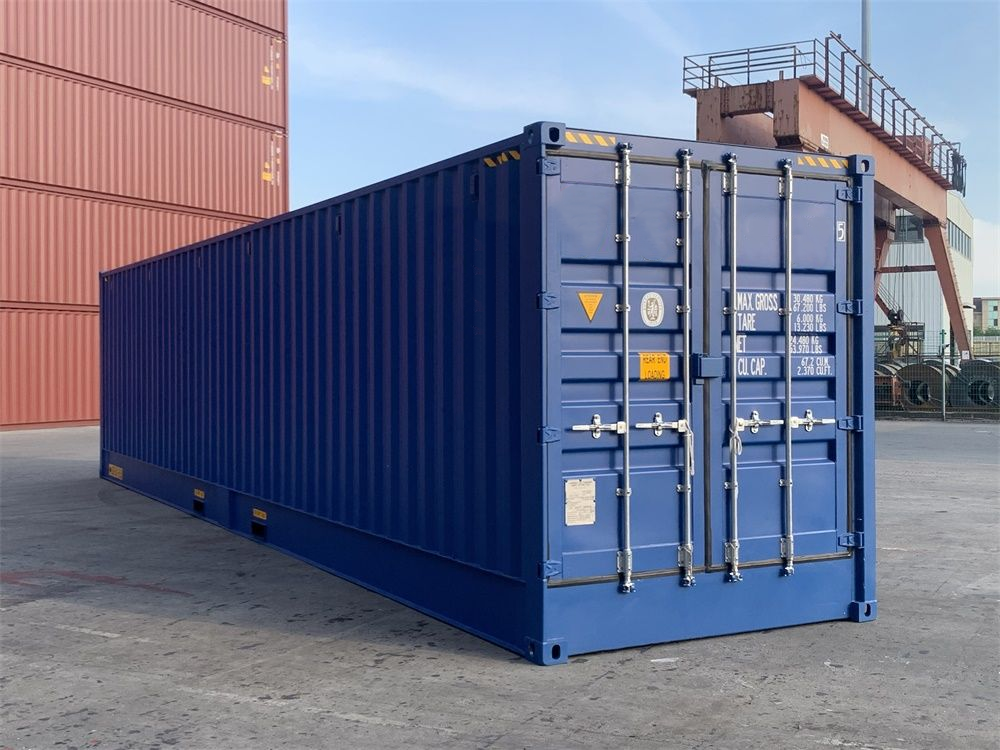
- High cube containers are taller than standard containers. They typically offer an additional 1ft of external height. This extra height provides more vertical space for cargo and storage.
- A high cube container has a windproof and waterproof design to a certain extent. These containers can secure shipping and storage, with a robust steel frame and weatherproof materials.
- While the container can withstand harsh weather conditions, extremely strong winds (such as those found in hurricanes or tornadoes) could cause damage, especially if you do not stack and lock them securely.
- High cube containers are available in multiple lengths. Common options include 20ft and 40ft models, with 45ft versions available in some markets.
- They are designed for intermodal transportation. Properly specified containers can move between ships, trains, and trucks using compatible handling equipment.
- High cube containers are generally made from steel. Many use corrosion-resistant weathering steel, although materials and specifications vary by manufacturer.
- They have a rectangular box-shaped design. Their shape makes them suitable for stacking, transporting, and organizing cargo.
- They feature corrugated side panels. These panels help provide structural stiffness while keeping the enclosure relatively lightweight.
- They have a reinforced floor. Container floors are designed to support cargo loads within the container’s rated limits.
- They use locking cargo doors. Most standard models have double doors at one end for loading and unloading.
2. Dimensions and Capacity
- A typical 20ft high cube container measures approximately 20ft long,
8ft wide, and 9.6ft externally. Its exact dimensions depend on the
manufacturer and specification. - A typical 40ft high cube container measures approximately 40ft long,
8ft wide, and 9.6ft externally. It provides substantial cargo volume
without requiring two separate containers. - To understand the capacity of the 40-foot High Cube container, you can
fit about 610 standard parcel boxes inside. It is the same as 152
bicycles, 760 medium-sized flower pots, or 15,000 rugby balls. - Internal dimensions of a high cube container are smaller than external
dimensions. Wall panels, corner structures, flooring, and ceiling
components reduce usable space. - Internal height is usually around 8.10ft to 9ft. The exact clearance
varies by design and manufacturer. - Internal width is commonly around 7 feet 8 inches. Door frames and
other structural features can create narrower clearances. - A typical 40ft high cube has approximately 2,690 cubic feet of internal
volume. Actual capacity varies with the container’s internal dimensions. - A typical 20ft high cube provides approximately 1,300 cubic feet of
internal volume. Confirm the specification for the particular unit
being purchased. - A 40ft high cube commonly offers roughly 12-13% more internal volume
than a standard-height 40ft container. The exact difference depends
on the internal dimensions of both models. - The extra height can accommodate taller cargo. This can reduce the need
to tilt, dismantle, or repackage certain items. - Internal door height matters as much as internal ceiling height.
Cargo must fit through the door opening, not just inside the container. - The usable floor area is similar to that of a standard container of
the same length. The main advantage is extra vertical space, not
extra floor area.
3. Weight and Load Ratings
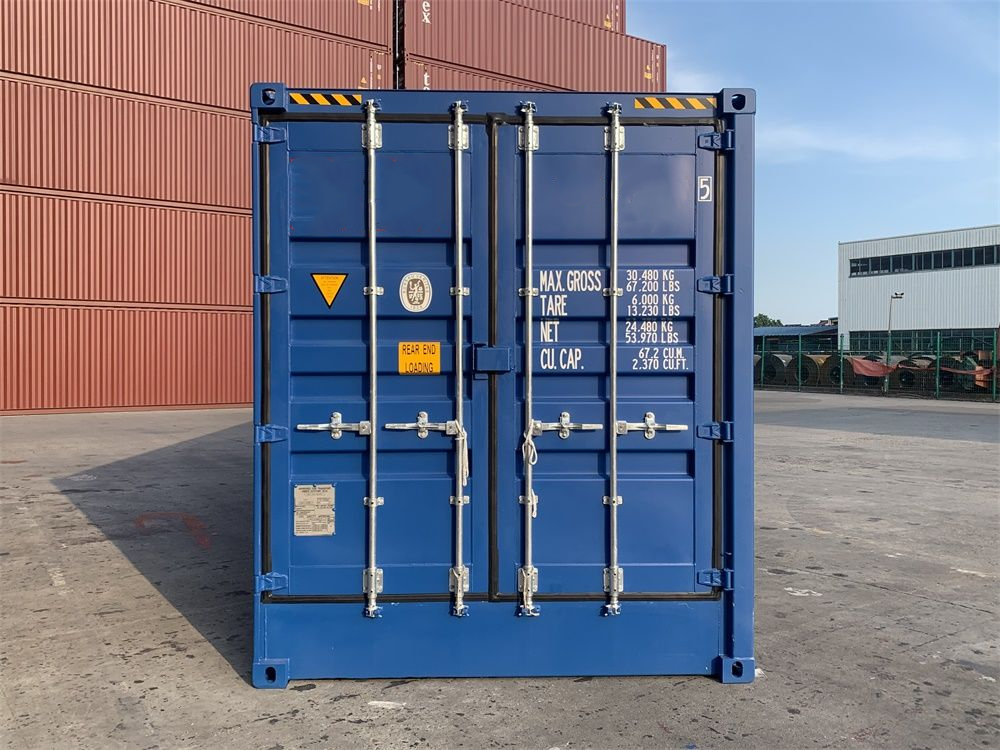
- High cube containers have a maximum gross weight rating. This includes the container’s own weight and its cargo.
- Tare weight of a high cube container refers to the empty container’s weight. It varies by model, construction, and accessories.
- Payload is the maximum cargo weight allowed by the container’s rating. It is generally calculated by subtracting tare weight from maximum gross weight.
- A high cube container is not automatically capable of carrying more weight. Its additional volume does not necessarily increase its permitted payload.
- A typical 40ft high cube may have a tare weight of around 3.8-4.3 metric tonnes. Exact values should be taken from the container’s identification plate.
- Maximum gross weight is often around 30,480 kg for common ISO containers. Some containers have different ratings, so the actual marking takes precedence.
- Payload capacity can be more than 26 metric tonnes on some models. The actual permissible load depends on tare weight and the certified gross weight rating.
- Cargo weight must be distributed appropriately. Uneven loading can affect structural performance and transport safety.
- Concentrated loads can damage the floor. Heavy machinery and other dense cargo may require load-spreading measures.
- Road transport limits can be lower than the container’s payload rating. Vehicle axle limits, bridge restrictions, and local laws also apply.
4. Construction and Structural Features
- Corner castings are essential structural components of a high cube shipping container. They provide standardized connection points for lifting, securing, and stacking.
- Corner posts carry important structural loads. They help transfer forces between the container’s corners.
- The roof contributes to weather protection. It is not intended to be treated as an unrestricted walking or storage platform.
- The floor is commonly supported by steel cross-members. These transfer loads toward the container’s main structural frame.
- Door seals help keep rain and moisture out. Worn, damaged, or poorly fitted seals can allow water ingress.
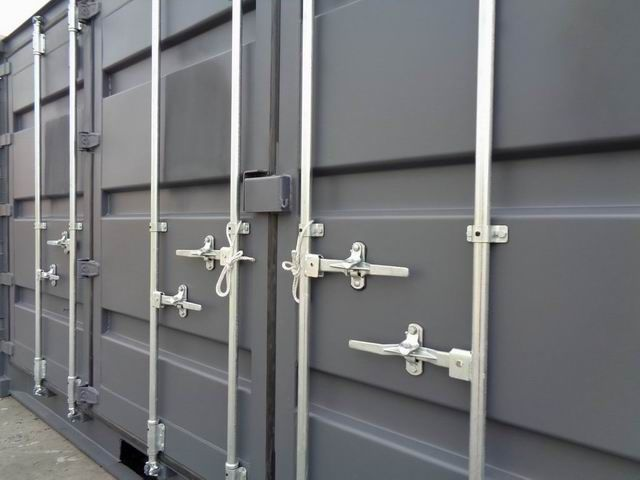
- The locking bars secure the doors. Their condition is important for both cargo security and weather resistance.
- High cube containers have 270-degree door opening that refers to the ability of the container doors to swing open wider than a typical 180-degree door. When the doors are opened fully, they can swing almost completely around, creating a near-full opening of up to 270 degrees.
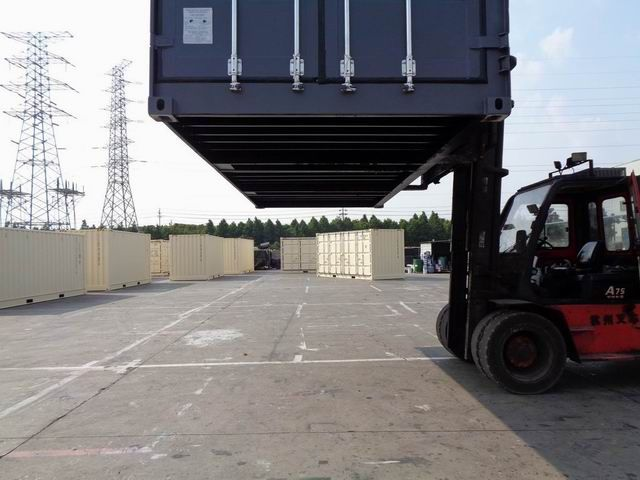
- A High Cube Container is also equipped with Forklift pockets, which allow forklifts to lift, move, and handle containers more easily. It makes them ideal for handling and transportation in warehouses, ports, and during shipping.
- High cube containers require suitable lifting equipment. The lifting method must match the container’s design, weight, and approved lifting points.
- Stacking capacity depends on the certified specification. Containers should only be stacked within their rated limits and in accordance with applicable requirements.
- Corrosion can develop over time. Salt exposure, standing water, damaged coatings, and neglected maintenance can accelerate deterioration.
- Repairs should preserve structural integrity. Cutting openings or removing structural members without suitable engineering can weaken the container.
5. Shipping and Transportation
- High cube containers are widely used in international freight. Their standardized interfaces make them compatible with much of the global container transport system.
- They can be carried by container ships. The vessel must be configured and operated to accommodate the container’s dimensions and weight.
- They can travel by rail. Rail operators must confirm that the container and transport equipment meet route-specific requirements.
- They can be transported by road. Suitable trailers, securing systems, and legal route clearances are necessary.
- Extra height can affect road clearance. Bridges, tunnels, overhead cables, and loading facilities must be checked along the route.
- High cube containers may be subject to specific handling procedures. Operators should follow the container’s markings and the equipment manufacturer’s instructions.
- They are commonly identified by standardized container codes. Identification markings help distinguish container type, size, and operating characteristics.
- The container’s CSC safety approval plate is important. It provides information about its approval status and safety-related ratings.
- The maximum gross weight marking must be checked before loading. Never rely solely on a supplier’s generic product description.
- Cargo securing is essential during transit. Straps, blocking, bracing, and other suitable methods help prevent cargo movement.
6. Storage and Warehousing
- High cube containers provide extra vertical storage space. This can be useful for tall equipment, stacked cartons, and bulky inventory.
- They can serve as temporary warehouses. Businesses often use them when permanent storage capacity is limited.
- Shelving can improve organization. Properly designed shelving makes better use of the available interior height.
- Shelving systems must be securely installed. Their attachments and load capacity should be suitable for the intended use.
- Ventilation may be necessary for stored goods. The correct arrangement depends on the cargo, climate, and risk of condensation.
- Condensation can occur inside a closed steel container. Temperature changes and moisture released by cargo can cause water droplets to form.
- Desiccants can help manage moisture. They are useful in some applications but do not replace proper cargo preparation and moisture control.
- Palletized cargo must fit through the door opening. Pallet dimensions, handling equipment, and maneuvering clearance all matter.
- Lighting improves usability. Battery-powered or properly installed electrical lighting can make inspections and picking easier.
- Access control helps protect stored inventory. Suitable locks, alarms, and site security can reduce unauthorized access.
7. Industrial and Commercial Applications
- High cube containers are useful for machinery storage. Their additional height can accommodate certain tall machines and components.
- They can store construction materials. Pipes, fittings, tools, and other supplies can be organized inside.
- They can support retail inventory operations. Businesses may use them for seasonal goods or overflow stock.
- They are useful for agricultural storage. Farm equipment, packaged supplies, and selected dry goods may be stored in them when conditions are suitable.
- They can be used for event equipment. Staging components, lighting gear, barriers, and other equipment may fit more easily with extra vertical clearance.
- They can serve as workshops. Appropriate modifications can create enclosed spaces for maintenance or light industrial work.
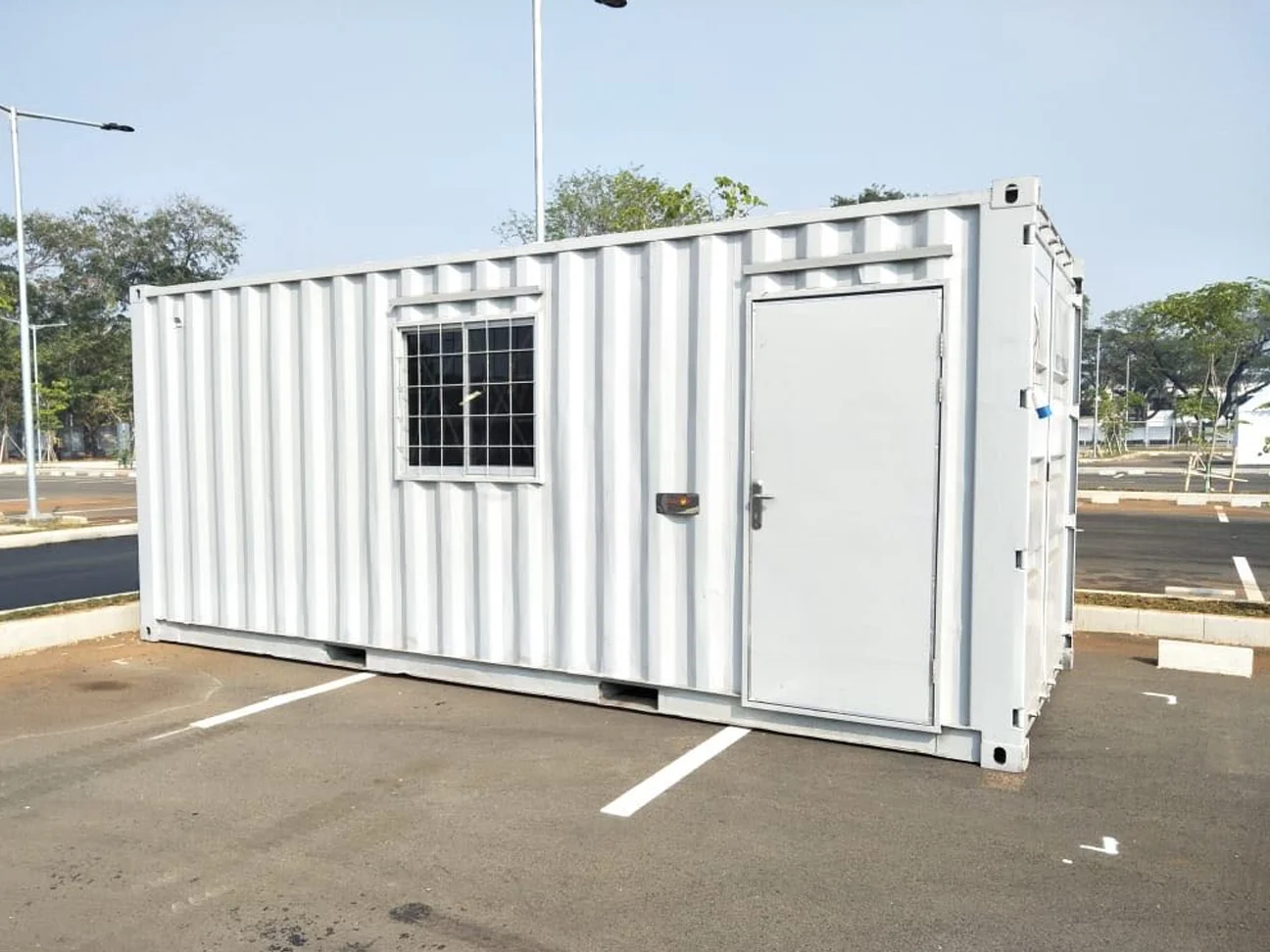
- They can be converted into mobile offices. Insulation, windows, doors, wiring, and climate control may be required.
- They can be adapted for equipment rooms. Electrical, communications, and other technical installations may be housed in specially designed units.
- They can be used for modular construction. Multiple containers can form part of a larger building concept, subject to engineering and code requirements.
- They can accommodate certain oversized household items. Tall furniture and bulky possessions may be easier to pack in a high cube container.
8. Container Homes and Architectural Projects
- The extra height can improve the feeling of space. A higher ceiling can make a converted container room feel less confined.
- Insulation reduces usable interior dimensions. Wall and ceiling insulation, framing, and finishes take up space.
- Windows and doors require carefully planned openings. Cutting the steel shell can affect structural performance and weather resistance.
- Structural reinforcement may be necessary after modifications. The requirements depend on the size and location of openings and the intended building use.
- Foundations or supports must be suitable for the site. Soil conditions, drainage, wind exposure, and local building requirements should be considered.
- Thermal bridging can be a major issue. Steel conducts heat readily, so insulation and condensation control need careful design.
- Ventilation is important in occupied spaces. A converted container should provide appropriate fresh air and moisture management.
- Electrical installations must comply with local codes. Wiring, grounding, protection devices, and weatherproofing need professional attention.
- Fire safety must be considered during conversion. Materials, escape routes, alarms, and fire-resistance requirements depend on the building’s use and jurisdiction.
- Planning permission may be required. Container-based buildings are not automatically exempt from zoning, permitting, or building regulations.
9. Advantages and Limitations
- The primary advantage is increased cubic capacity. More height can allow taller loads to fit in a single container.
- Architects and designers find the extra height of High Cube Containers useful for ceilings, split air conditioners, and storing excess tools or craft supplies.
- They can improve space utilization. Businesses may store more volume without increasing the container’s footprint.
- They can reduce the need for multiple storage units. This depends on the dimensions and weight of the goods being stored.
- They offer standardized external dimensions. This makes planning for compatible transport and site layouts easier.
- They are available new and used. Price, condition, and suitability vary considerably between units.
- They may cost more than standard-height containers. Availability, specification, condition, and regional demand influence prices.
- Their extra height can complicate transport. Height restrictions and handling requirements may limit delivery options.
- They do not solve every cargo-loading problem. Door width, floor strength, payload, and cargo shape can remain limiting factors.
- Used containers require careful inspection. Corrosion, damaged floors, faulty doors, and previous repairs can affect their suitability.
- They are not automatically waterproof under every condition. The roof, seals, doors, and repaired areas must be maintained to keep weather out.
10. Buying, Inspecting, and Maintaining High Cube Containers
- Choose the container length based on the cargo. Compare required floor area, internal height, access, and total volume before deciding.
- Measure the largest item before purchasing. Account for packaging, lifting clearance, door openings, and loading orientation.
- Inspect the roof, floor, doors, and frame. Look for corrosion, holes, deformation, soft flooring, and damaged locking mechanisms.
- Confirm the container’s actual specifications. Ask for internal dimensions, tare weight, payload, maximum gross weight, and relevant approval markings.
- Plan delivery and placement before ordering. Check access roads, unloading space, ground conditions, overhead obstructions, and lifting equipment requirements.
- Maintain the container throughout its service life. Regular inspections, prompt corrosion repairs, functional door seals, and sound drainage can help extend its useful life.
Conclusion
With the extra height and length, High Cube Containers are considered one of the biggest containers in the industry. They provide more storage capacity and is good for higher and bulkier goods.
As one of the trusted providers that reliably presents various high cube container units, Tradecorp offers the option to buy used or new containers, with the alternative of renting for short-term use.
With strategically placed depots across the region, Tradecorp ensures faster delivery and smooth handling. Our professional team is ready to assist with transportation and installation, ensuring a hassle-free experience. Fill out the contact form on our page to get the reefer container, and we will respond to your inquiry promptly.